
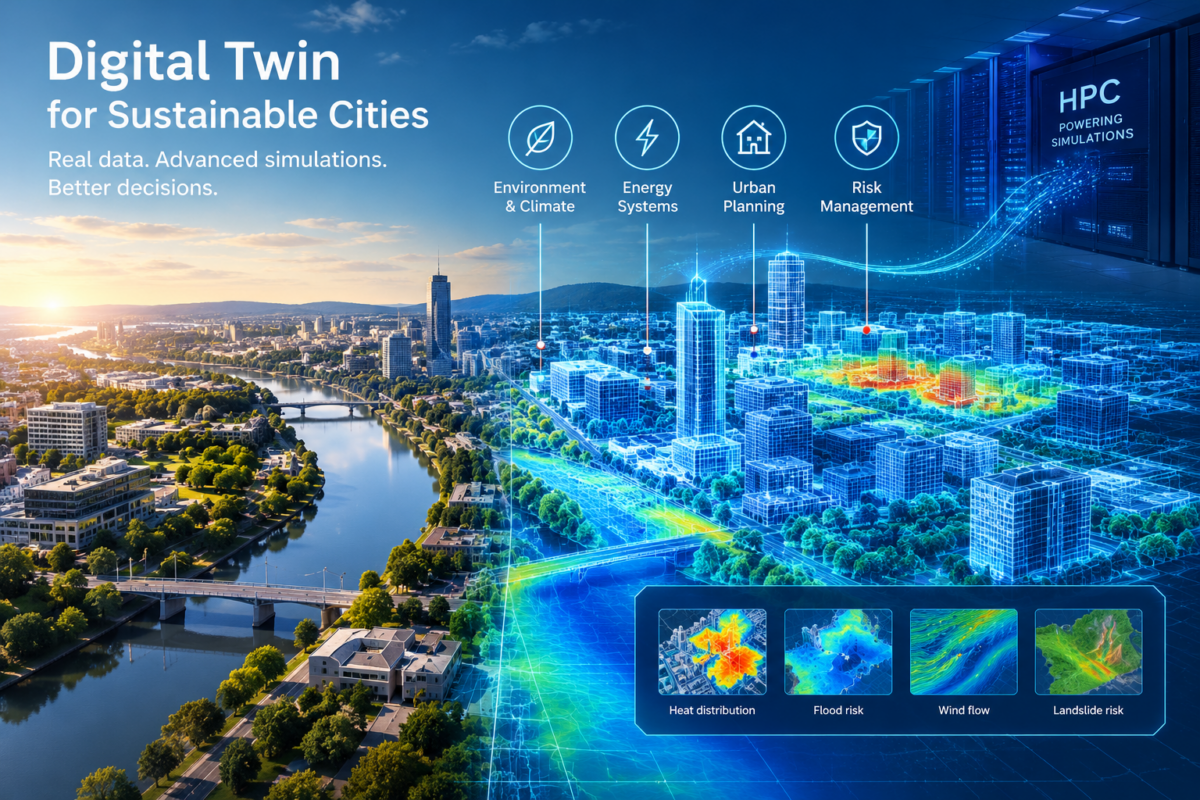
Digital Twin of the Earth: European Supercomputers Help Prepare for Climate Change
Europe's Destination Earth initiative has reached an important milestone. Researchers have released a new generation of climate simulations that provide more detailed insights into climate change and its potential impacts. The demanding computations are powered by European supercomputers, including LUMI and MareNostrum 5.
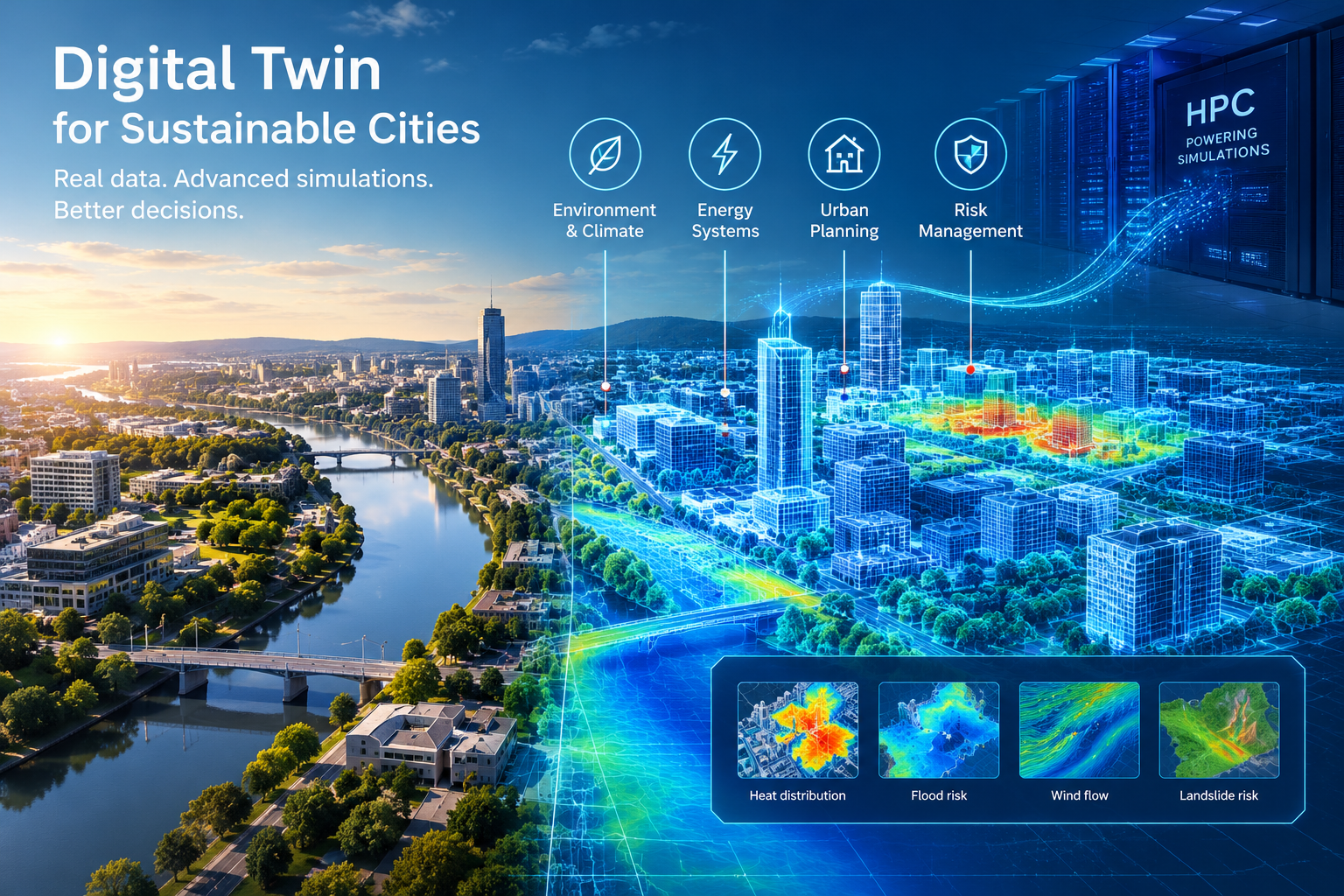
Climate change affects the environment, the economy and everyday life. However, predicting its specific impacts at regional and local levels remains challenging. Researchers are therefore turning to digital twins – computational representations of real-world systems that make it possible to simulate complex processes and explore different future scenarios.
One of Europe's most ambitious initiatives in this field is Destination Earth (DestinE), a European Commission programme aimed at developing a highly accurate digital representation of our planet.
Climate Simulations at Approximately Five-Kilometre Resolution
The Climate Change Adaptation Digital Twin (Climate DT) has produced new simulations representing global climate processes at a spatial resolution of approximately five kilometres. Compared with traditional global climate models operating at resolutions of around 100 kilometres, this represents a significant advance.
This level of detail allows researchers to better investigate events affecting specific regions, including extreme rainfall, flooding and heatwaves.
The newly released datasets include simulations of climate evolution from 1990 to 2049, as well as scenarios exploring how weather events observed between 2017 and 2025 might unfold under different climate conditions.
Powered by European Supercomputers
Producing high-resolution climate simulations requires enormous computing resources. The project therefore relies on infrastructure supported by the EuroHPC Joint Undertaking, particularly LUMI in Finland and MareNostrum 5 in Spain.
The Climate DT is developed by a European partnership led by the Finnish supercomputing centre CSC in close collaboration with the European Centre for Medium-Range Weather Forecasts (ECMWF).
Supporting Better Decisions
The simulations can help inform decisions in areas such as water management, renewable energy and wildfire risk assessment.
The climate datasets and accompanying user guidance have been made available through the Destination Earth platform to researchers and experts from both the public and private sectors.
The project demonstrates that high-performance computing is not limited to fundamental research. By enabling detailed simulations, HPC can provide valuable information for practical planning and help societies prepare for changing climate conditions.
Source: HPCwire / CSC, 27 May 2026
https://www.hpcwire.com/off-the-wire/new-destination-earth-climate-digital-twin-simulations-released
 Perun Business Day by EuroCC: Discover the Potential of Supercomputing for Your Business 26 Oct - How can a supercomputer benefit your company? Come and see one of Europe's most powerful supercomputers up close and discover how high-performance computing and artificial intelligence can drive innovation, support product development, and optimise business processes.
 HPC Service Updates: Easier Access to Perun and AMS Software Now Available on Devana 25 Oct - We have two exciting updates for our HPC users: Open OnDemand is now available on both Devana and Perun, making access to our supercomputers easier than ever. In addition, the Amsterdam Modeling Suite (AMS) has been added to the software portfolio, opening up new possibilities for computational chemistry and materials science research.
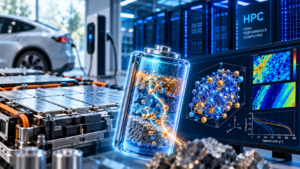 Better Batteries Through Computational Simulations: HPC Supports Advanced Materials Research 25 Oct - Developing more powerful, safer and longer-lasting batteries is one of today's major technological challenges. Researchers at Lawrence Livermore National Laboratory in the United States demonstrate how advanced computational modelling can improve our understanding of battery materials and help accelerate their development.