Kategórie
General

Nová výzva FFplus: Hľadáme projektových partnerov – až 200 000 € na HPC inovácie vo firmách

Nová výzva FFplus: Hľadáme projektových partnerov – až 200 000 € na HPC inovácie vo firmách

Má vaša firma podnikateľský problém, pri ktorom by mohli pomôcť superpočítače? NCC Slovakia hľadá malé a stredné podniky a startupy, ktoré chcú prvýkrát využiť vysokovýkonné počítanie (HPC) na vývoj produktov, optimalizáciu procesov či zavádzanie inovácií. Ponúkame odbornú podporu a možnosť projektovej spolupráce v rámci európskej výzvy FFplus.
Výzva v skratke

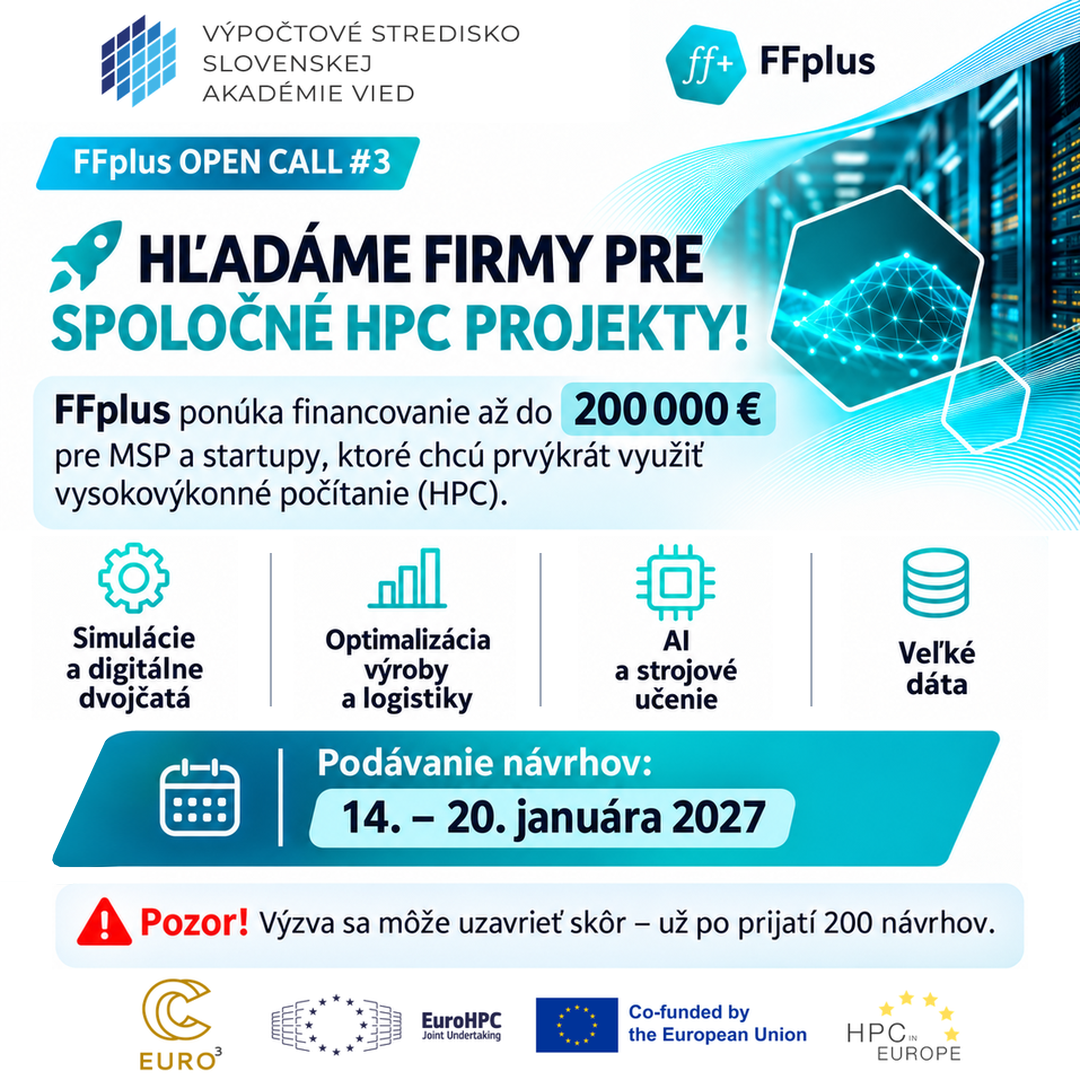
Európska výzva FFplus Call 3 – Type 1: Business Experiments podporuje experimentálne využitie HPC pri riešení konkrétnych podnikateľských problémov.

  • Funding: až 200 000 € na konzorcium, maximálne 150 000 € na jedného účastníka.
  • Podpora: 100 % oprávnených priamych nákladov.
  • Project duration: maximálne 15 mesiacov.
  • Konzorcium: najviac 5 partnerov.
  • Otvorenie výzvy: 14. januára 2027 o 10:00.
  • Ukončenie výzvy: 20. januára 2027 o 17:00, alebo už po prijatí 200 projektových návrhov.

Pozor: Limit 200 návrhov sa môže naplniť už počas prvých dní. Projekt preto odporúčame pripraviť vopred a podať čo najskôr po otvorení výzvy 14. januára.

Ako vám môže pomôcť NCC Slovakia?

Nemusíte mať hotový projekt ani vlastných HPC expertov. NCC Slovakia vám môže pomôcť s:

  • Odborným posúdením nápadu – či je váš problém riešiteľný pomocou HPC a aký prínos môže mať jeho využitie.
  • Technickou expertízou – definovaním vhodného riešenia a potrebných výpočtových kapacít.
  • HPC infraštruktúrou – orientáciou v možnostiach národných superpočítačov a európskej infraštruktúry EuroHPC.
  • Prípravou projektu – hľadaním partnerov, zostavením konzorcia a prípravou projektového návrhu.

Podľa potrieb projektu je možné zvážiť aj zapojenie organizácie zastrešujúcej NCC Slovakia alebo ďalších odborných partnerov priamo do konzorcia. Konkrétna forma spolupráce podlieha individuálnemu posúdeniu.

Kto sa môže zapojiť? Podmienky oprávnenosti

1. Malé a stredné podniky (MSP) a startupy

Firma musí spĺňať európsku definíciu MSP: menej ako 250 zamestnancov a ročný obrat najviac 50 miliónov € alebo bilančnú sumu najviac 43 miliónov €. Zohľadňujú sa aj partnerské a prepojené podniky.

2. Bez predchádzajúceho využívania HPC v podnikaní

Firma nesmie mať predchádzajúce skúsenosti s využívaním HPC na podnikateľské účely. Existujúce využívanie AI alebo machine learningu samo osebe nie je prekážkou.

3. Konkrétny podnikateľský problém

Projekt musí riešiť reálnu potrebu firmy s merateľným ekonomickým prínosom, napríklad znížením nákladov, optimalizáciou výroby alebo vývojom nového produktu.

4. Preukázateľná potreba HPC

Projekt musí vyžadovať výpočtový výkon presahujúci možnosti bežnej výkonnej pracovnej stanice či menšieho servera. Môže ísť o rozsiahle simulácie, optimalizáciu, spracovanie veľkých dát alebo výpočtovo náročné AI úlohy.

Máte projektový nápad? Kontaktujte nás!

Stačí stručne uviesť:

  • názov firmy a oblasť podnikania,
  • problém, ktorý chcete riešiť, a očakávaný prínos,
  • dostupné dáta alebo technológie a prípadné predchádzajúce skúsenosti s HPC.

NCC Slovakia váš zámer predbežne posúdi a v prípade vhodnosti navrhne technickú konzultáciu a ďalší postup pri príprave projektu.

Odporúčame kontaktovať nás v dostatočnom predstihu pred otvorením výzvy.

Podrobnosti a oficiálne podmienky FFplus:

https://www.ffplus-project.eu/en/open-call/business-experiments

Oprávnenosť a financovanie sa riadia oficiálnymi pravidlami FFplus. Konzultácia ani prípadná projektová spolupráca nezaručujú schválenie financovania.
Nová výzva FFplus: Hľadáme projektových partnerov – až 200 000 € na HPC inovácie vo firmách 23 Nov - Representatives of the Slovak Academy of Sciences (SAS) attended the Three Seas Digital Forum on 12 November 2026, marking the opening of the fifth edition of the Poznań Economic Congress in Poland. Dedicated to the digital future of Central and Eastern Europe, the event provided a platform for discussions on regional competitiveness, technological innovation, and opportunities for stronger cross-border cooperation.
Perun Business Day by EuroCC: The PERUN Supercomputer Opens Its Doors to Slovak Businesses 22 Nov - Representatives of the Slovak Academy of Sciences (SAS) attended the Three Seas Digital Forum on 12 November 2026, marking the opening of the fifth edition of the Poznań Economic Congress in Poland. Dedicated to the digital future of Central and Eastern Europe, the event provided a platform for discussions on regional competitiveness, technological innovation, and opportunities for stronger cross-border cooperation.
Slovak Academy of Sciences at the Poznań Economic Congress: New Opportunities for Cooperation in HPC and Artificial Intelligence 18 Nov - Representatives of the Slovak Academy of Sciences (SAS) attended the Three Seas Digital Forum on 12 November 2026, marking the opening of the fifth edition of the Poznań Economic Congress in Poland. Dedicated to the digital future of Central and Eastern Europe, the event provided a platform for discussions on regional competitiveness, technological innovation, and opportunities for stronger cross-border cooperation.
Kategórie
General

Perun Business Day by EuroCC: The PERUN Supercomputer Opens Its Doors to Slovak Businesses

Perun Business Day by EuroCC: The PERUN Supercomputer Opens Its Doors to Slovak Businesses

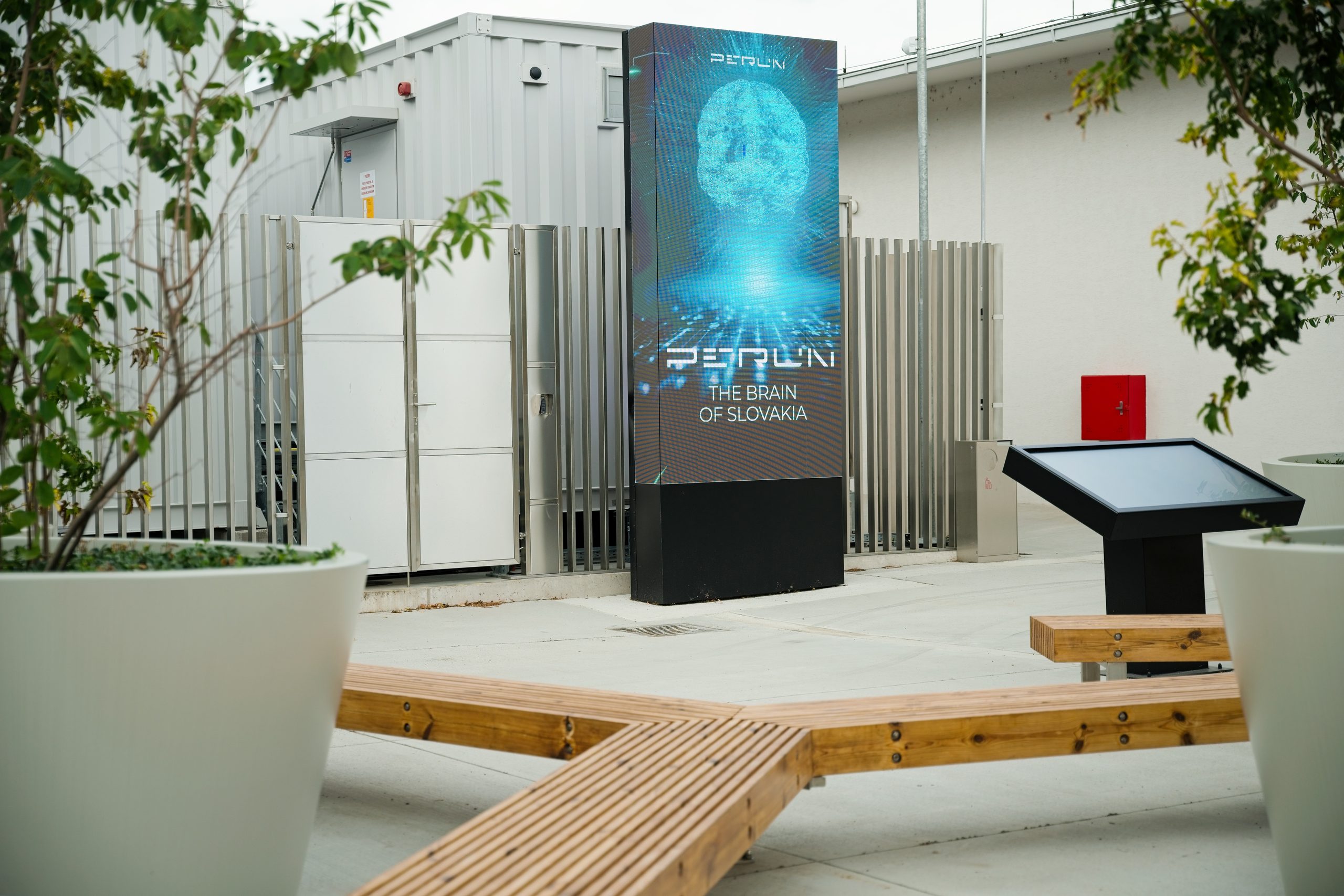
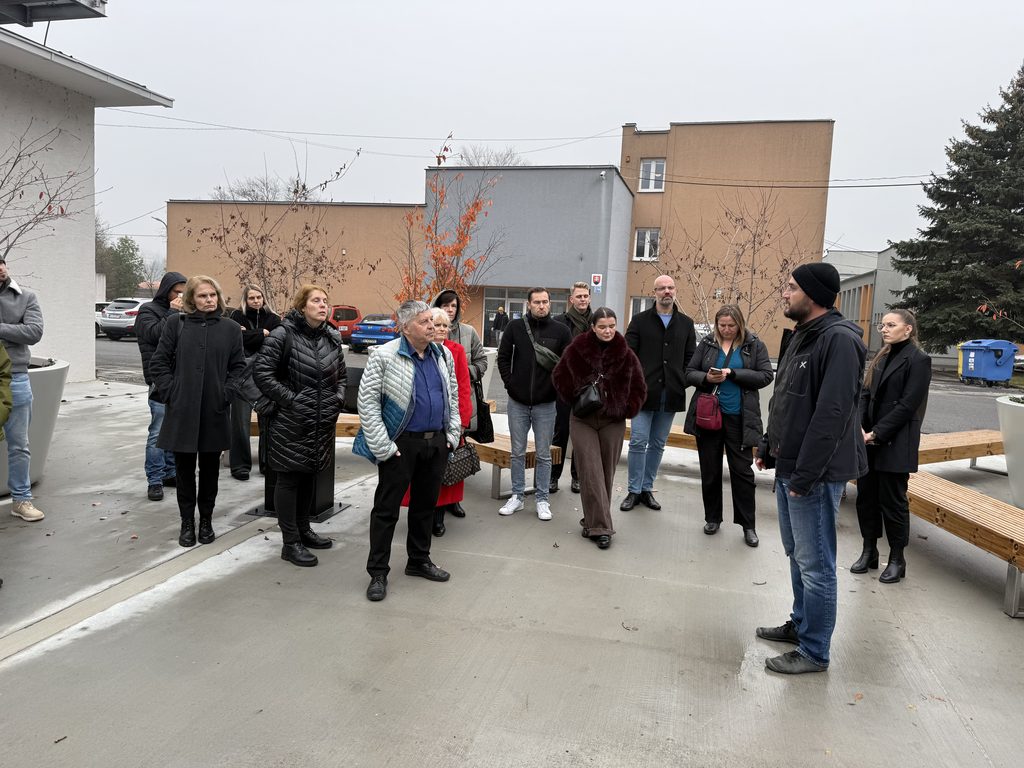
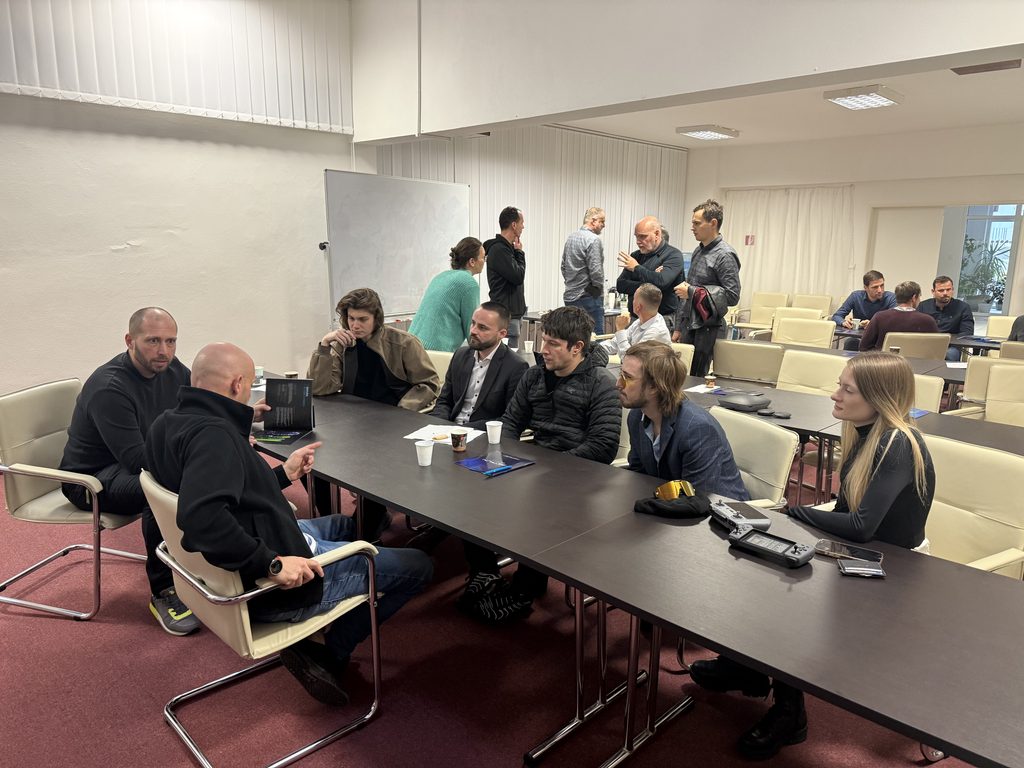
How can supercomputers help Slovak companies innovate, develop new products, and harness the potential of artificial intelligence? These were some of the key questions explored at Perun Business Day by EuroCC, held on 17 November 2026 at the Computing Centre of the Slovak Academy of Sciences in Bratislava. The event brought not only expert discussions and new connections, but also the first opportunities for future collaboration.

As part of the Science and Technology Week, the Computing Centre of the Slovak Academy of Sciences organised several activities aimed at promoting science and modern technologies. One of them was Perun Business Day by EuroCC, organised through the Slovak National Competence Centre for High-Performance Computing (NCC Slovakia) as part of the EuroCC 3 project.

The aim of the event was to introduce the business community to the possibilities of high-performance computing (HPC) and demonstrate that supercomputers are not exclusively intended for academic research. Companies can also benefit from their computing power when tackling complex technological challenges, developing and testing products, running simulations, processing large datasets, or applying artificial intelligence.

From Exploring the Supercomputer to Discovering Opportunities for Collaboration

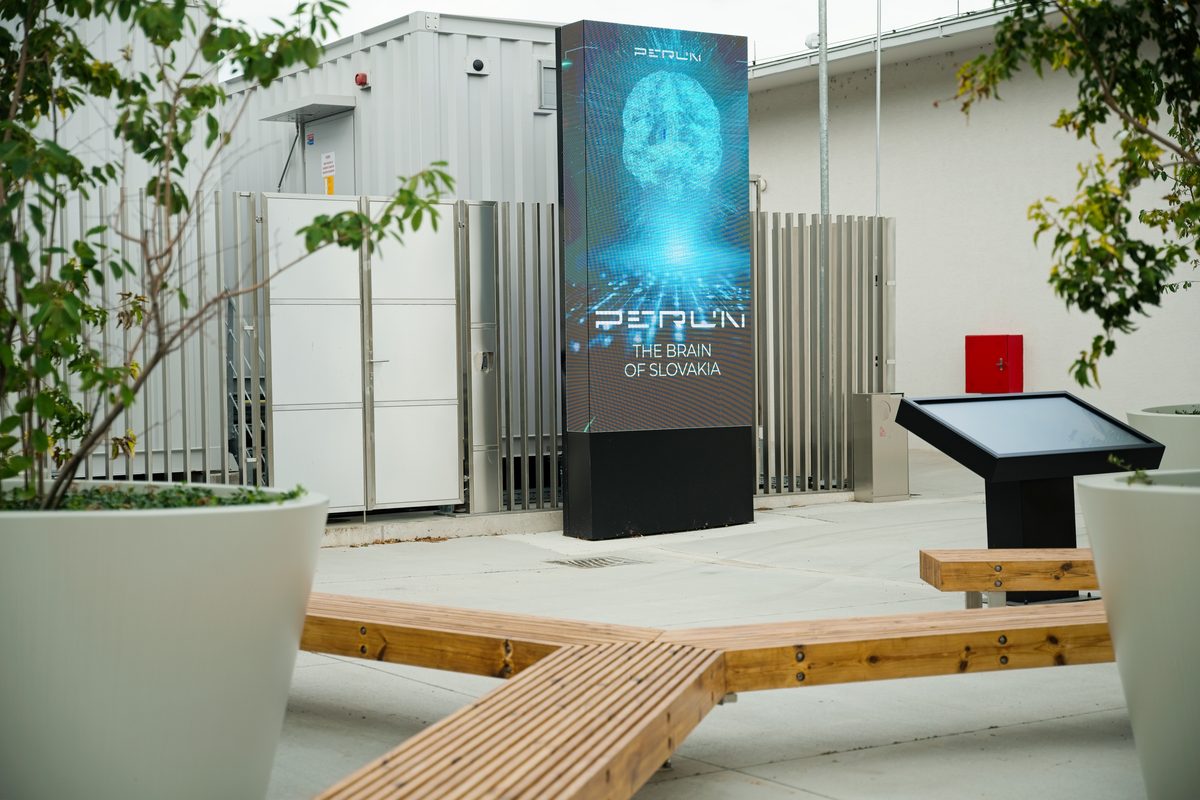
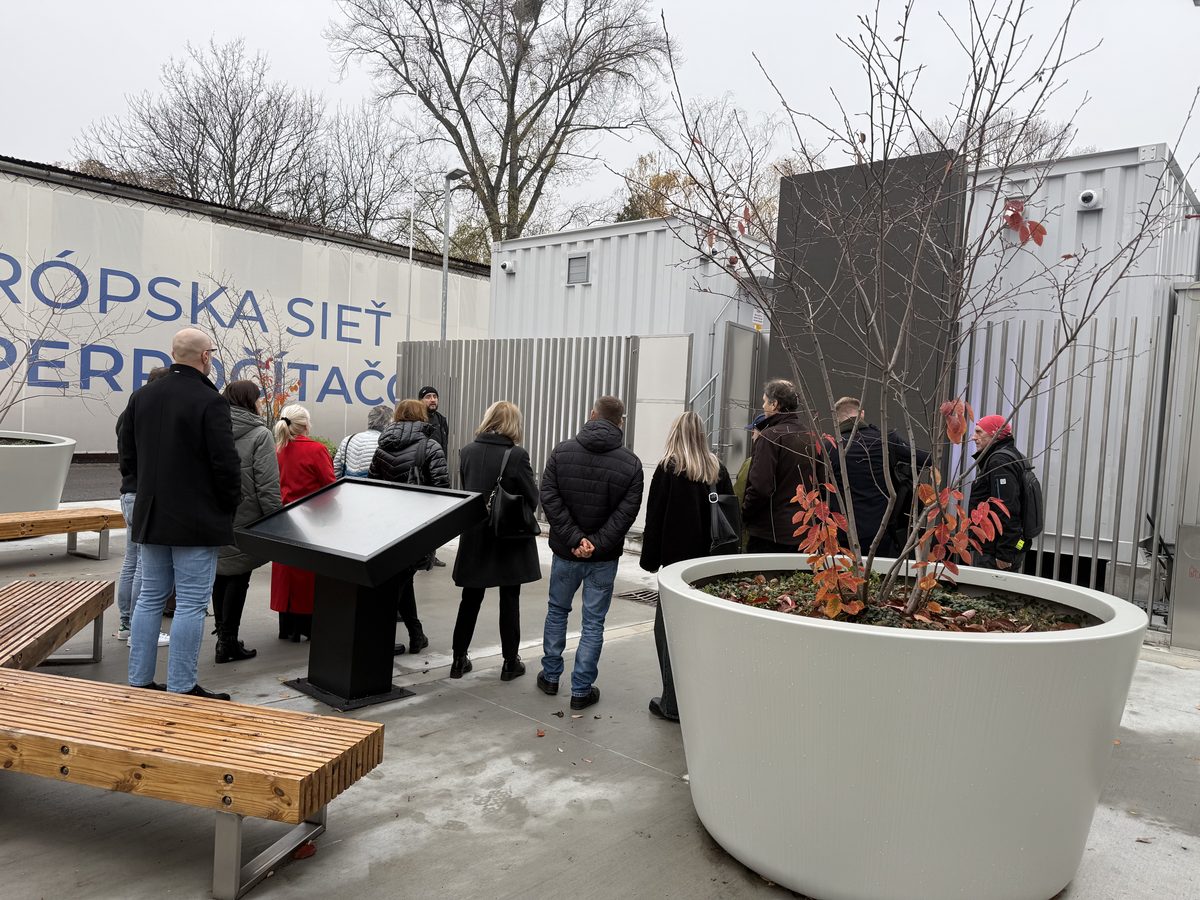
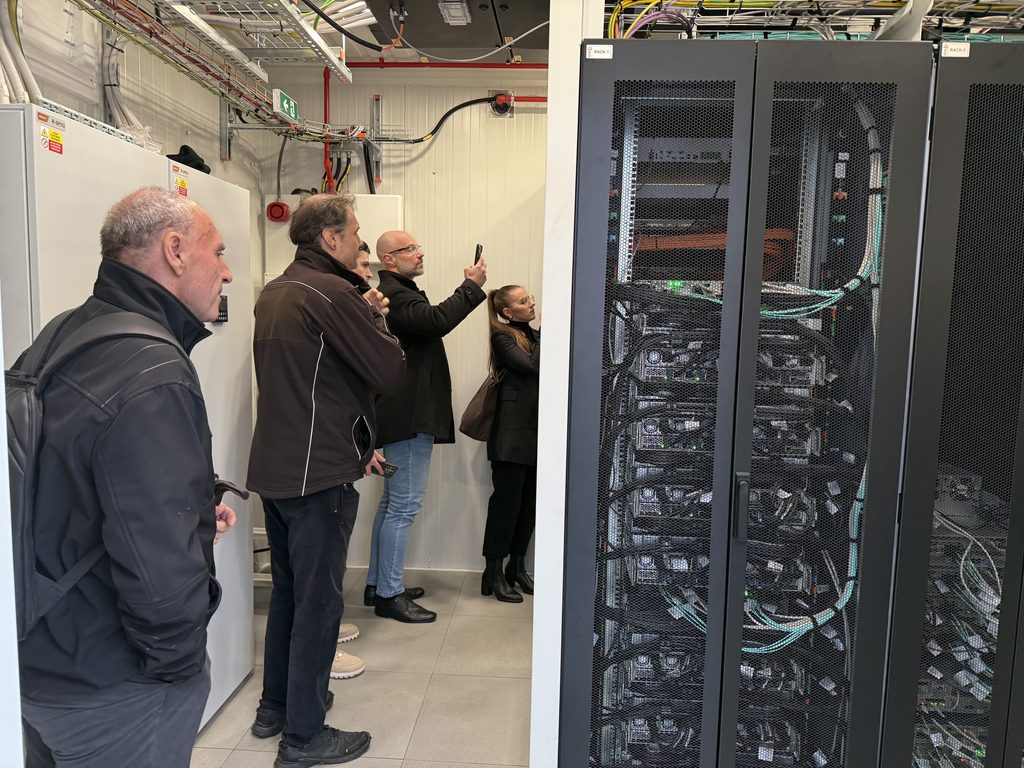
The programme began with a guided tour of PERUN, one of Europe's most powerful supercomputers. Participants had the opportunity to see this exceptional computing infrastructure up close and learn more about its technical capabilities and practical applications.

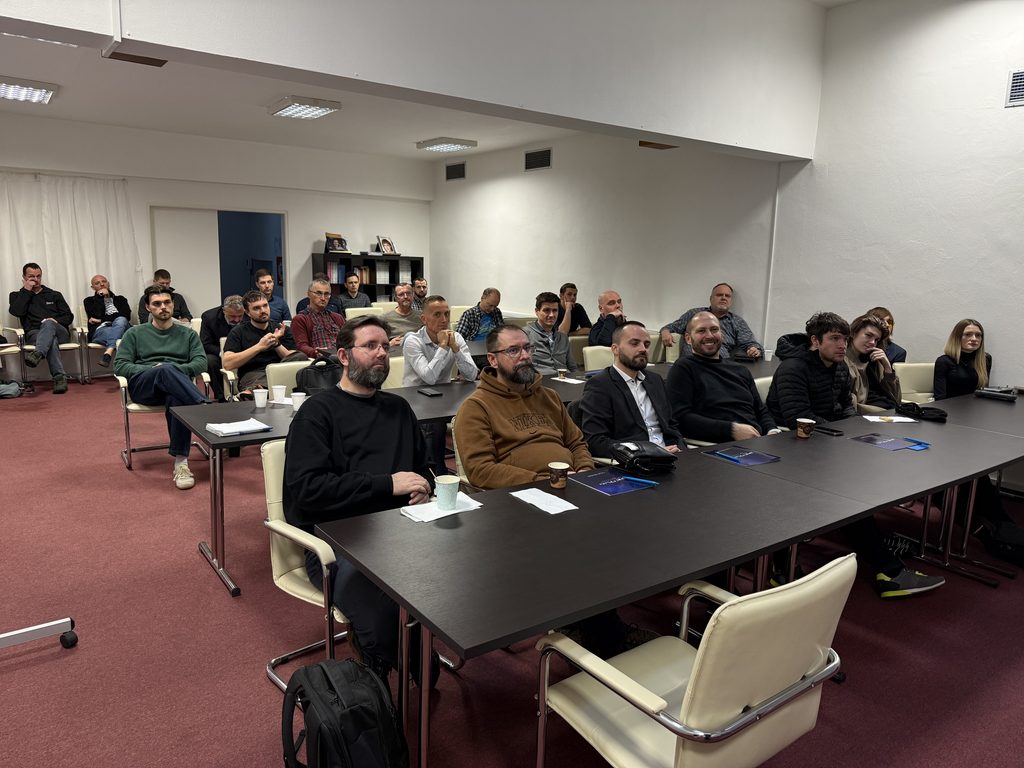
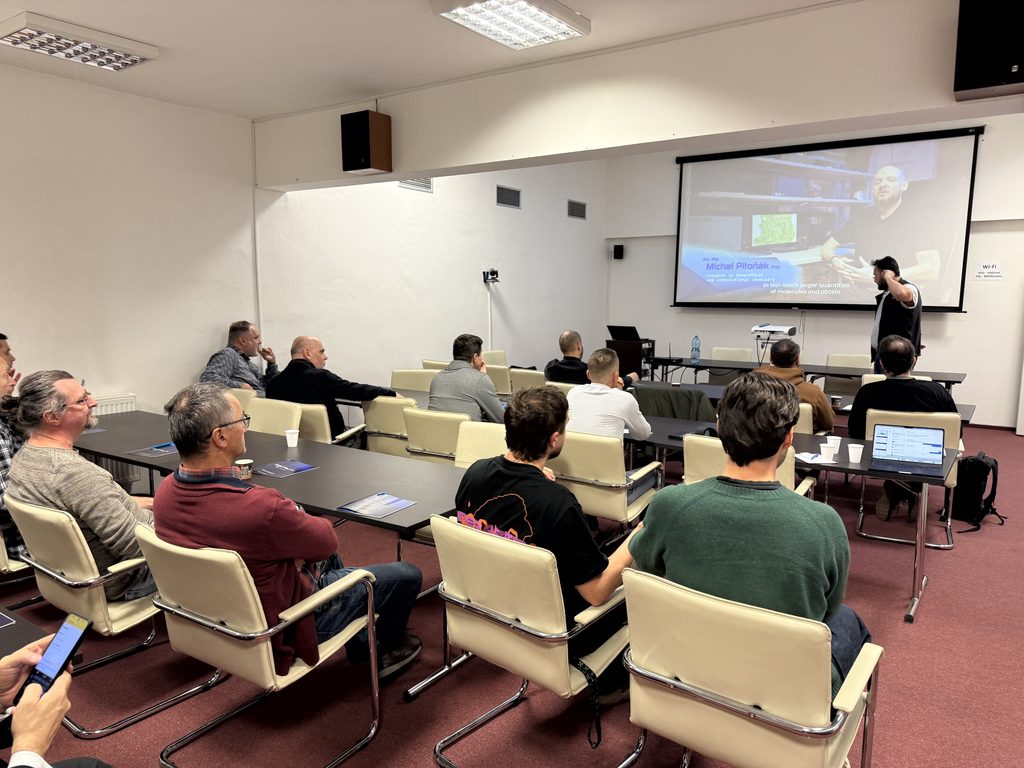
The tour was followed by expert discussions focusing on the use of HPC in business. Topics included how companies can access computing resources, what types of challenges can be addressed using supercomputers, and what support NCC Slovakia can provide.

The National Competence Centre helps companies and research organisations navigate the world of high-performance computing, identify suitable applications, and access expert support when introducing HPC technologies into their activities.

First Collaborations Are Already Taking Shape

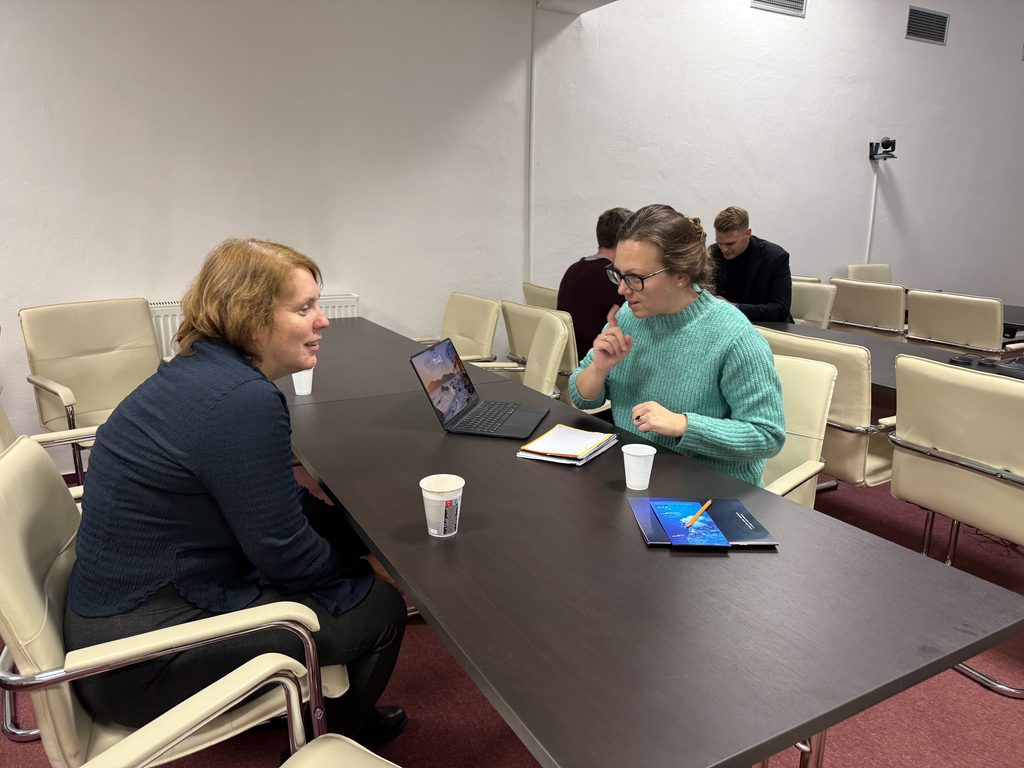
The final part of the event was dedicated to questions, individual consultations, and informal discussions. These conversations provided an opportunity to explore the specific needs of participating companies and potential ways to connect them with the computing infrastructure of the Slovak Academy of Sciences.

One of the most encouraging outcomes of the event is that several discussions are already developing into potential collaborations. Perun Business Day demonstrated that interest in supercomputing technologies extends beyond academia and that face-to-face meetings can be an important first step towards joint projects.

We would like to thank all participants for their interest, insightful discussions, and the great atmosphere. We believe that Perun Business Day has laid the groundwork for new partnerships that will help bring the benefits of high-performance computing to the Slovak business community.

For more information about HPC opportunities and support for businesses, visit www.eurocc-slovakia.sk.

Nová výzva FFplus: Hľadáme projektových partnerov – až 200 000 € na HPC inovácie vo firmách 23 Nov - Representatives of the Slovak Academy of Sciences (SAS) attended the Three Seas Digital Forum on 12 November 2026, marking the opening of the fifth edition of the Poznań Economic Congress in Poland. Dedicated to the digital future of Central and Eastern Europe, the event provided a platform for discussions on regional competitiveness, technological innovation, and opportunities for stronger cross-border cooperation.
Perun Business Day by EuroCC: The PERUN Supercomputer Opens Its Doors to Slovak Businesses 22 Nov - Representatives of the Slovak Academy of Sciences (SAS) attended the Three Seas Digital Forum on 12 November 2026, marking the opening of the fifth edition of the Poznań Economic Congress in Poland. Dedicated to the digital future of Central and Eastern Europe, the event provided a platform for discussions on regional competitiveness, technological innovation, and opportunities for stronger cross-border cooperation.
Slovak Academy of Sciences at the Poznań Economic Congress: New Opportunities for Cooperation in HPC and Artificial Intelligence 18 Nov - Representatives of the Slovak Academy of Sciences (SAS) attended the Three Seas Digital Forum on 12 November 2026, marking the opening of the fifth edition of the Poznań Economic Congress in Poland. Dedicated to the digital future of Central and Eastern Europe, the event provided a platform for discussions on regional competitiveness, technological innovation, and opportunities for stronger cross-border cooperation.
Kategórie
General

Slovak Academy of Sciences at the Poznań Economic Congress: New Opportunities for Cooperation in HPC and Artificial Intelligence

Slovak Academy of Sciences at the Poznań Economic Congress: New Opportunities for Cooperation in HPC and Artificial Intelligence

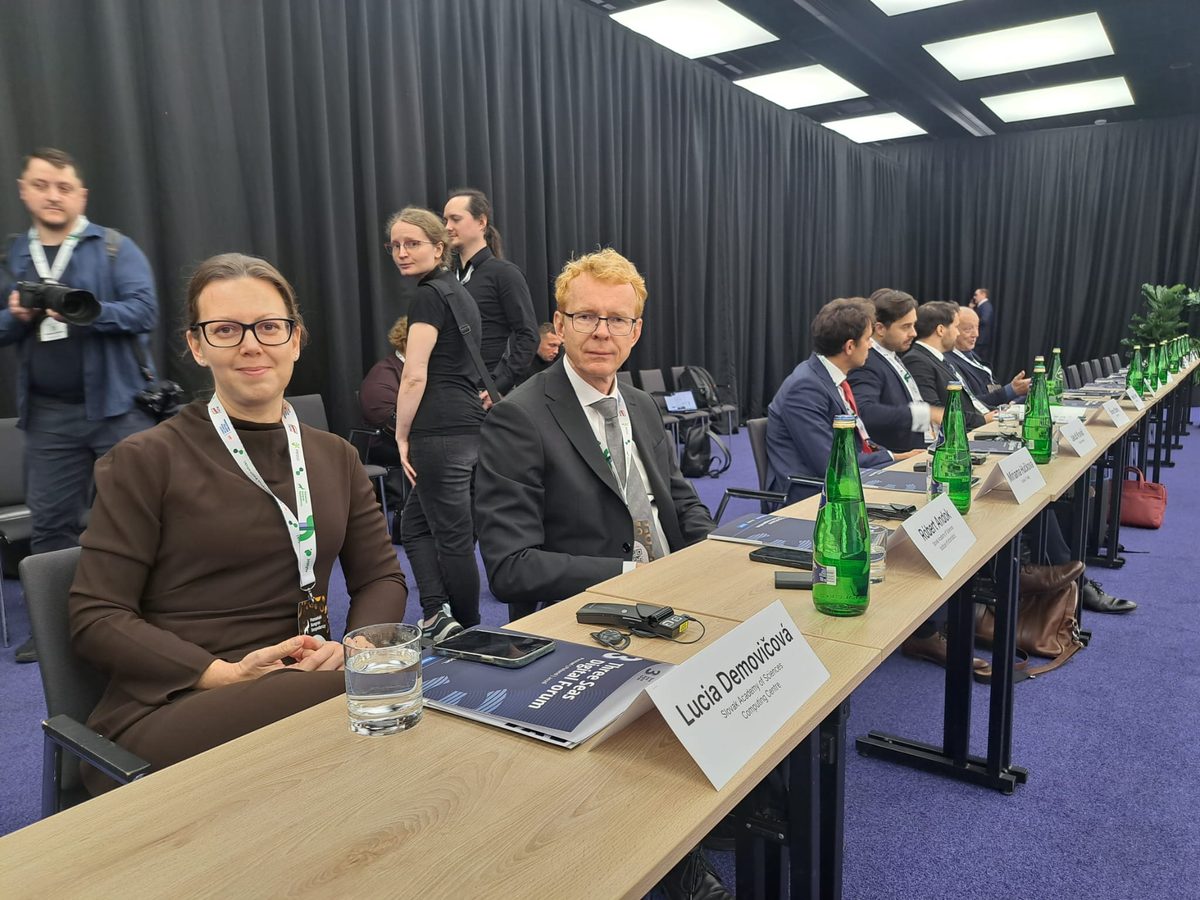
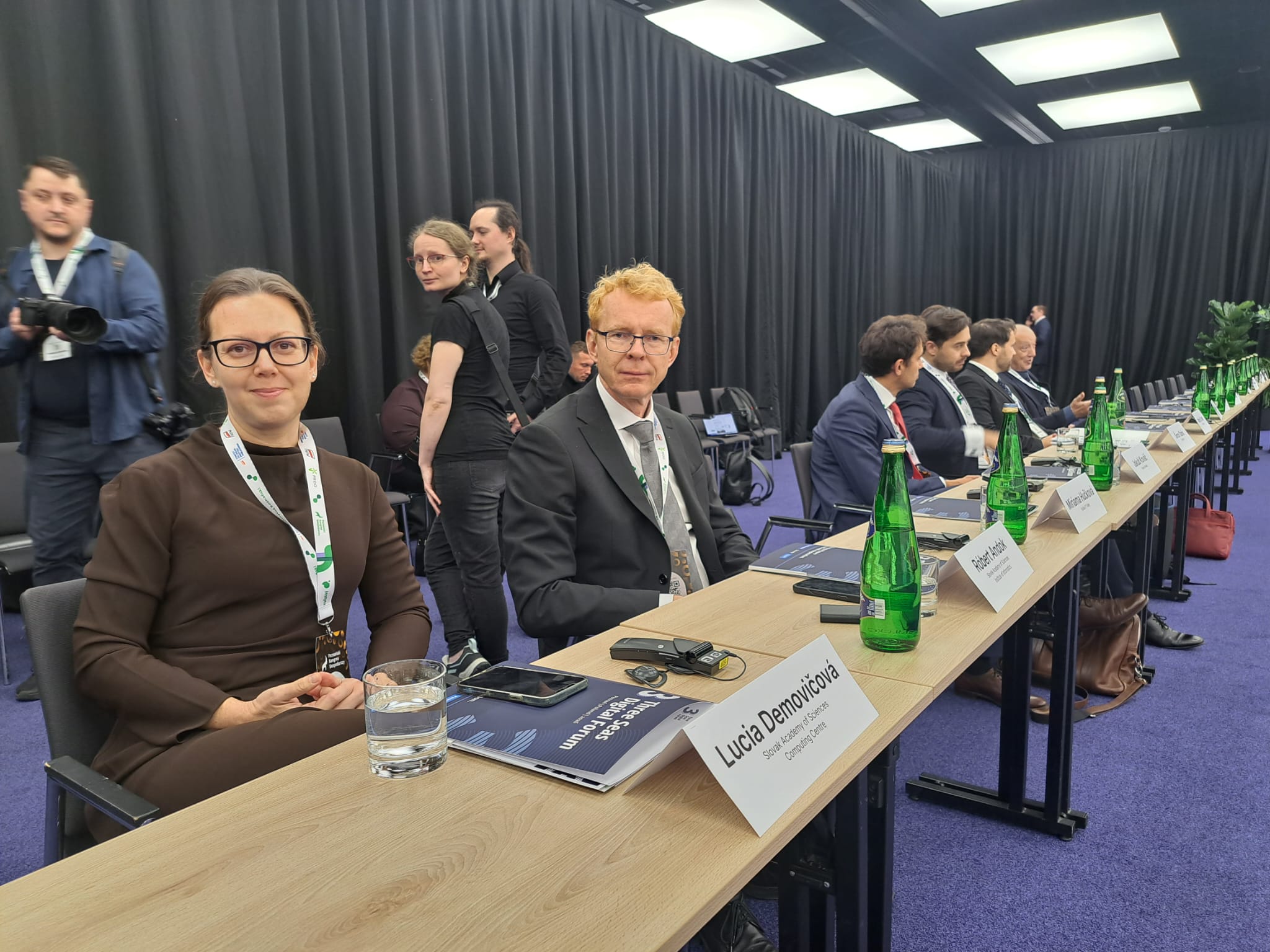
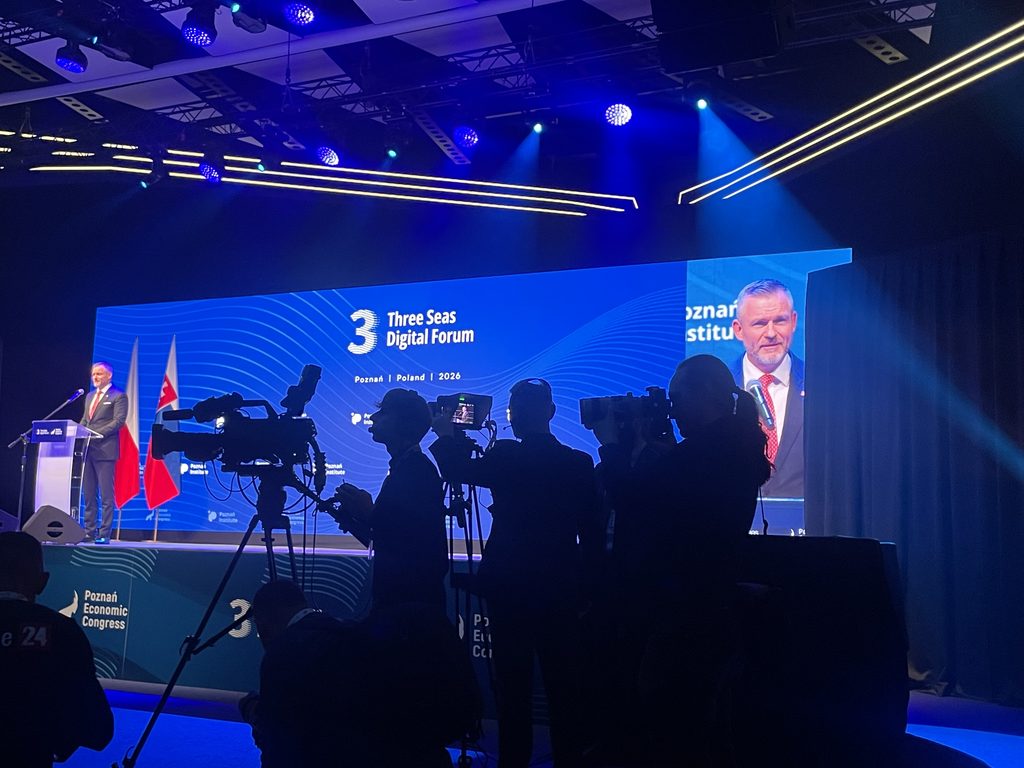
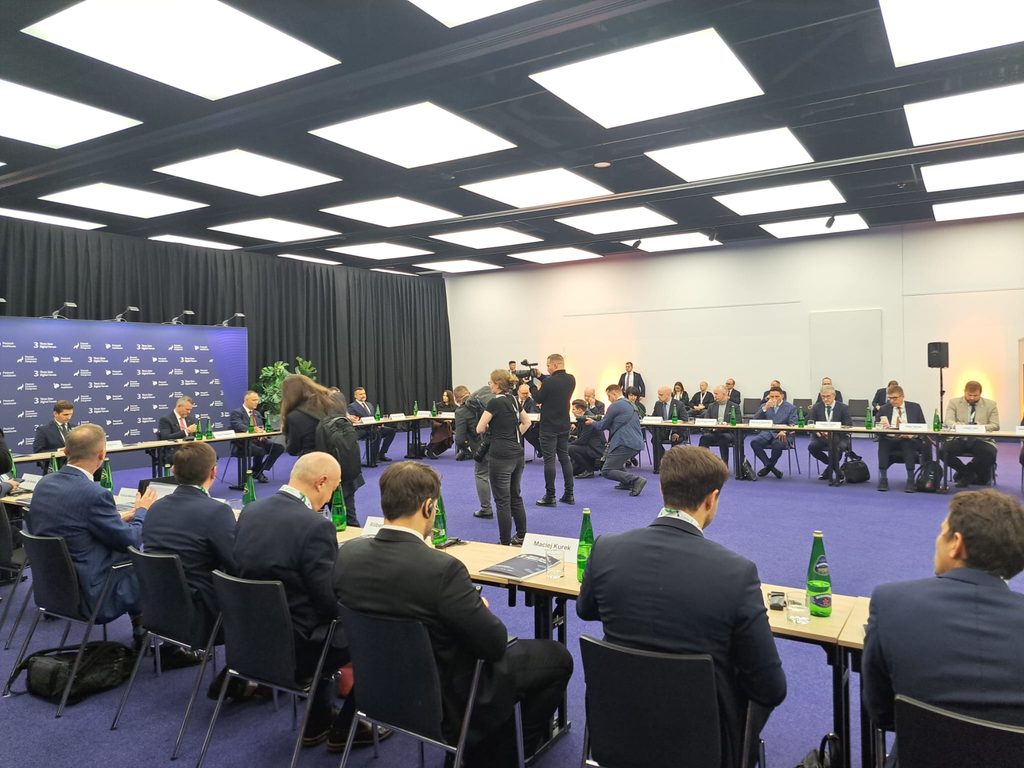
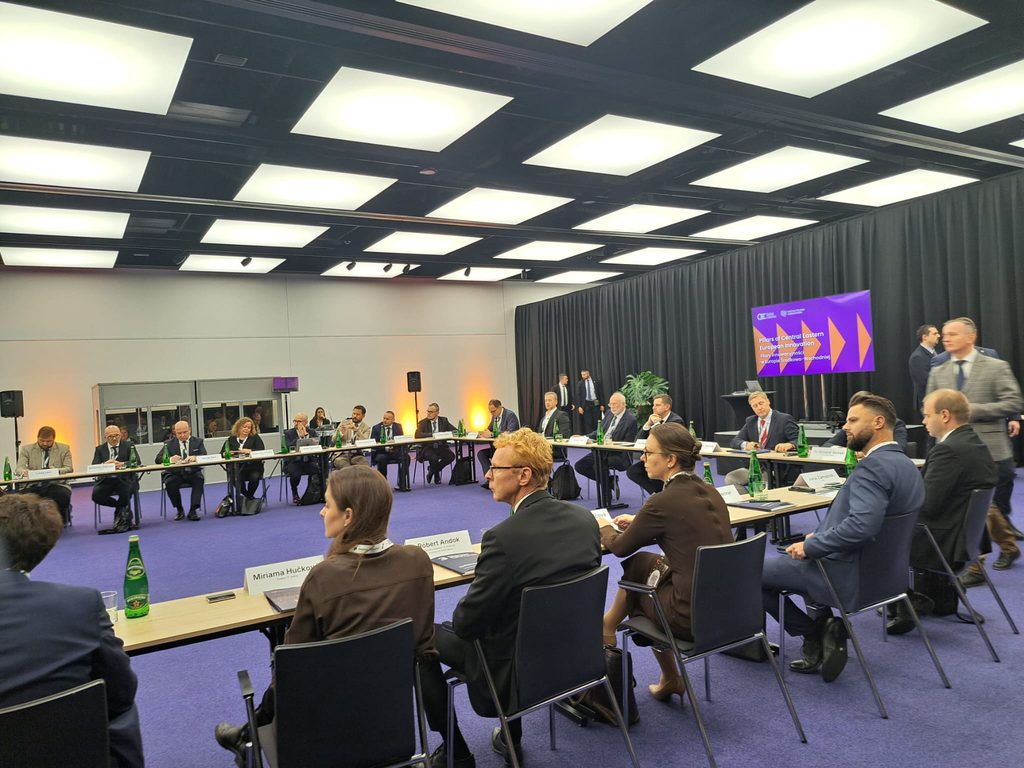
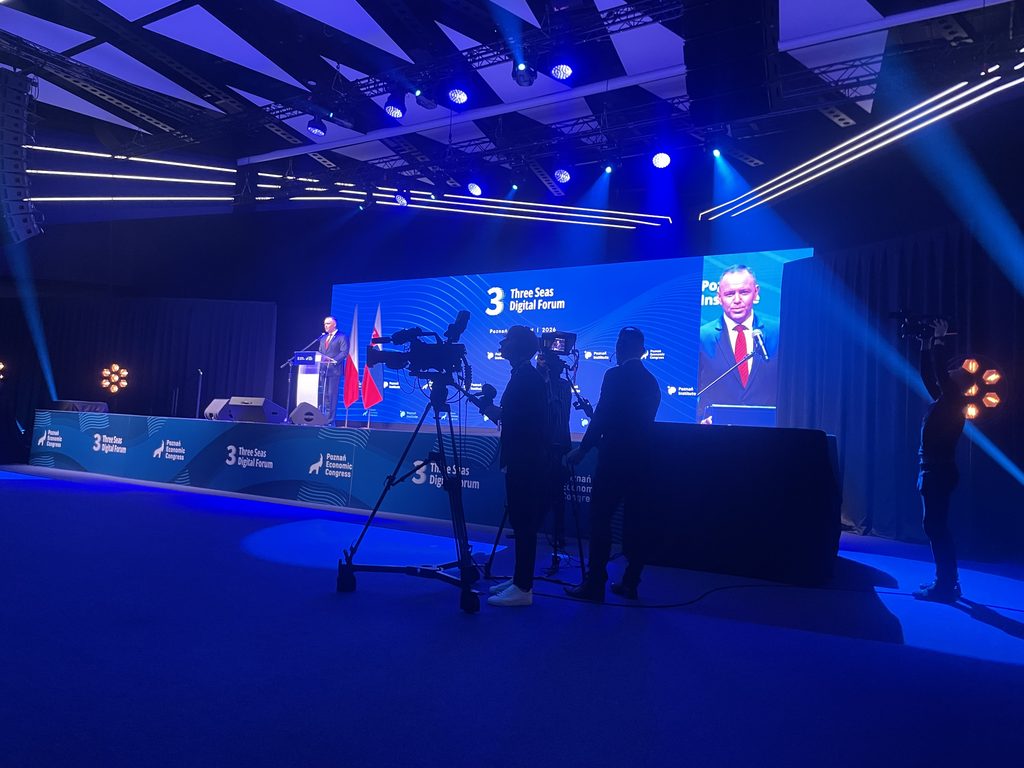
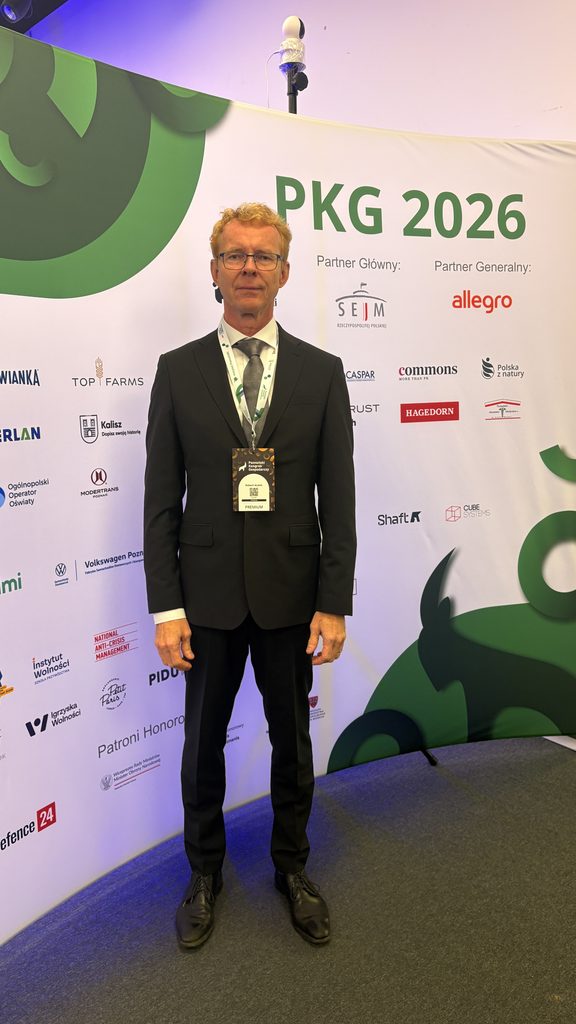
Representatives of the Slovak Academy of Sciences (SAS) attended the Three Seas Digital Forum on 12 November 2026, marking the opening of the fifth edition of the Poznań Economic Congress in Poland. Dedicated to the digital future of Central and Eastern Europe, the event provided a platform for discussions on regional competitiveness, technological innovation, and opportunities for stronger cross-border cooperation.

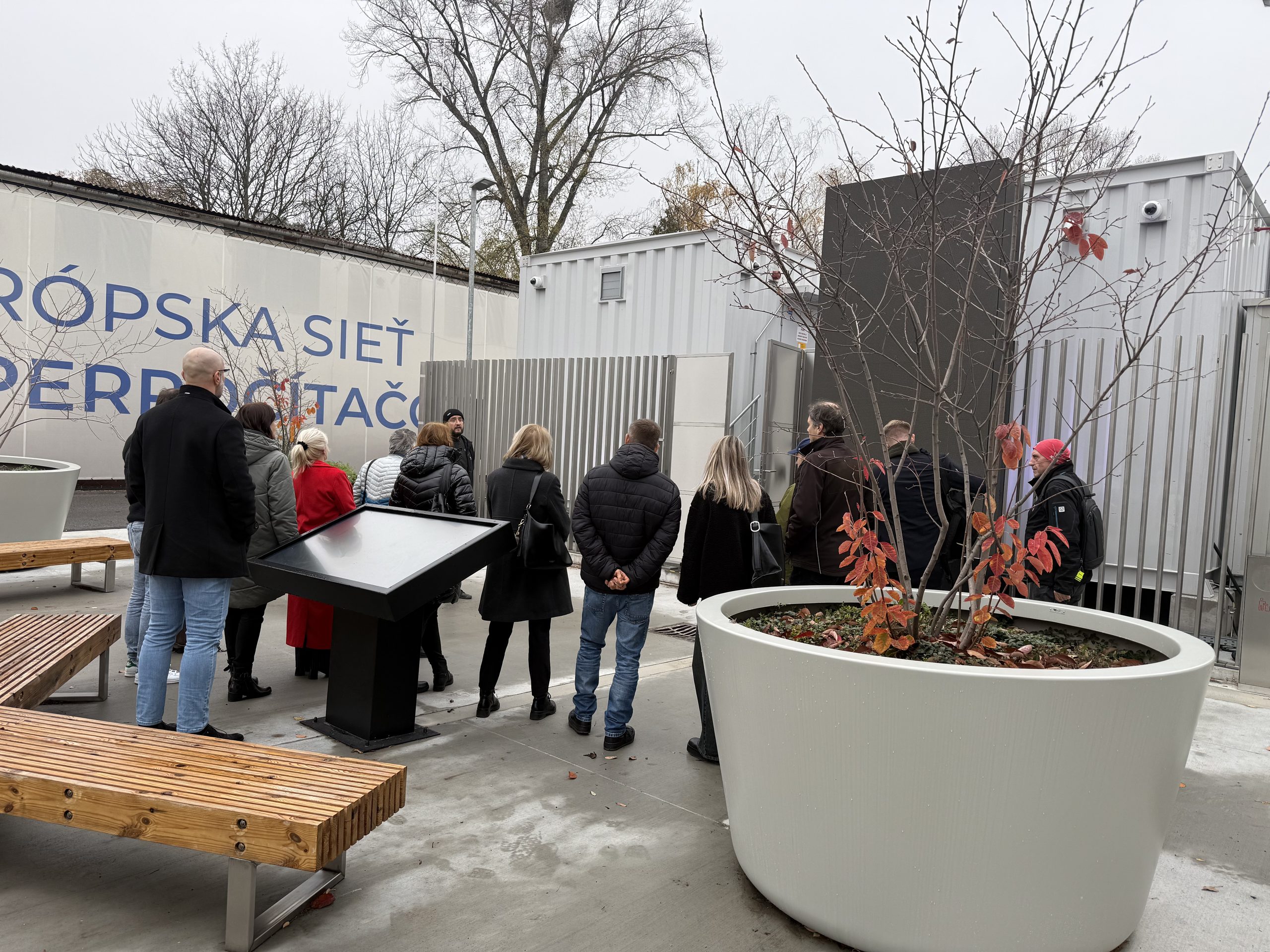
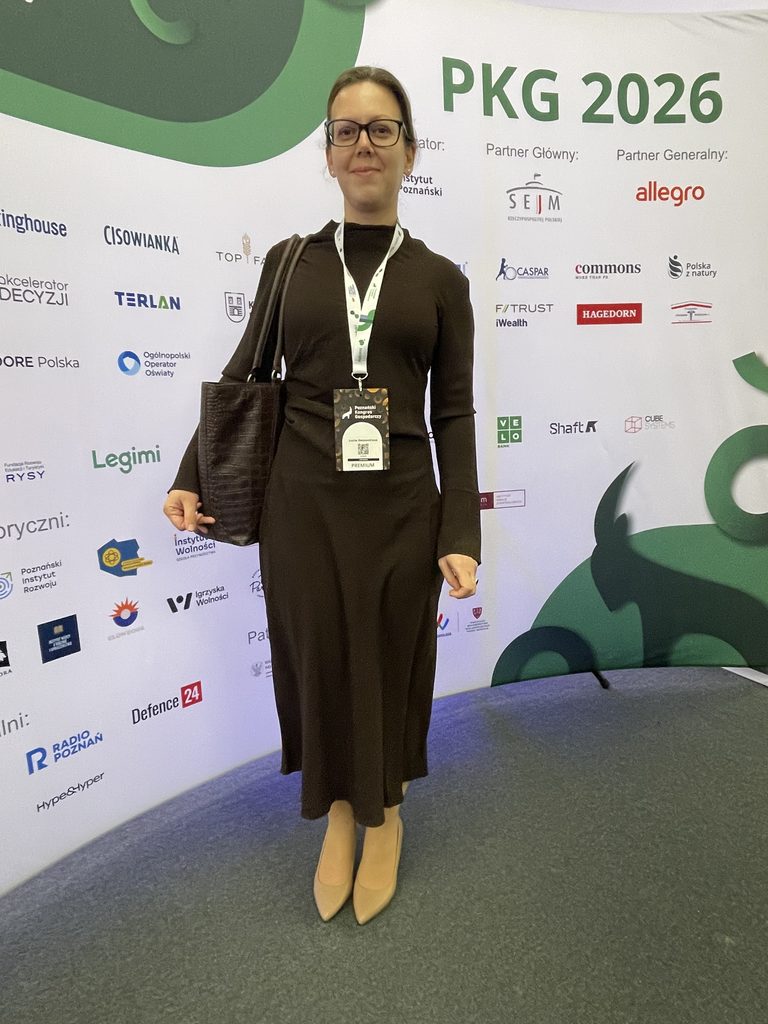
The Slovak Academy of Sciences was represented by Róbert Andok, Director of the Institute of Informatics SAS, and Lucia Demovičová from the Computing Centre of SAS, part of the Centre of Operations of SAS, representing the Academy's High-Performance Computing (HPC) Centre.

The Slovak Academy of Sciences was represented by Róbert Andok, Director of the Institute of Informatics SAS, and Lucia Demovičová from the Computing Centre of SAS, part of the Centre of Operations of SAS, representing the Academy's High-Performance Computing (HPC) Centre.

The Three Seas Initiative Digital Forum was officially opened by the President of the Slovak Republic, Peter Pellegrini, and the President of the Republic of Poland, Karol Nawrocki. In their speeches, they emphasized the importance of technological development, innovation, and strengthening economic cooperation across the region.

Shared Priorities for the Region’s Technological Development

The programme also included a roundtable discussion dedicated to the digital competitiveness of Central and Eastern Europe. The discussion focused on opportunities to align the strategic priorities of the Three Seas region countries and make better use of their shared potential

Participants discussed the development of innovation, the practical implementation of advanced digital technologies, and the creation of a more favourable environment for technology companies. Key topics also included the region’s strengths, particularly its skilled workforce, industrial heritage, energy infrastructure, and potential for mutual cooperation.

From the perspective of the HPC Centre of the Slovak Academy of Sciences (SAS), particular importance is attached to making advanced computing infrastructure, expertise, and educational opportunities accessible to the business sector, especially small and medium-sized enterprises (SMEs). Easy and predictable long-term access to these resources enables companies to experiment with new technologies, test innovative solutions, and gradually implement them in practice.

Another important topic is strengthening regional cooperation in high-performance computing, artificial intelligence, and emerging technologies such as quantum and photonic computing. Shared technological priorities and long-term research and innovation initiatives can help translate the results of European research into tangible technological solutions and strengthen the competitiveness of European companies.

New Contacts and Cooperation with Polish Partners

Participation in the congress provided SAS representatives with new professional contacts and opportunities to develop international partnerships. Of particular significance was the establishment of contacts with the Poznań Supercomputing and Networking Center (PCSS), opening up opportunities for further cooperation.

PCSS is one of Europe's leading centres in the fields of high-performance computing and digital technologies. Like the Computing Centre of the Slovak Academy of Sciences (SAS), it is involved in European initiatives supporting HPC and artificial intelligence, including EuroCC and the AI Factories ecosystem. The Poznań centre is also involved in the development of Poland's AI Factory, PIAST-AI.

Their shared involvement in the European ecosystem provides a solid foundation for exchanging expertise, connecting professional capabilities, and identifying concrete opportunities for cooperation in supporting research and innovation.

The Three Seas Initiative and Slovakia’s 2027 Presidency

The Three Seas Initiative (3SI) is a platform for regional cooperation among European countries located between the Baltic, Adriatic, and Black Seas. Its aim is to strengthen economic connectivity, infrastructure development, and cooperation, particularly in the areas of transport, energy, and digitalisation.

The Slovak Republic currently holds the presidency of the Three Seas Initiative. The presidency will culminate on 28–29 April 2027 in Bratislava, which will host the 12th Three Seas Initiative Summit alongside the 9th Business Forum. The event will provide a further opportunity to develop regional partnerships, promote investment, and discuss the technological future of Central and Eastern Europe.

The participation of the Slovak Academy of Sciences (SAS) in the Poznań Economic Congress confirmed the importance of connecting research institutions, technological infrastructure, and the business sector. Such cooperation can help ensure that the Three Seas region not only embraces modern technologies but also actively contributes to their development.

Nová výzva FFplus: Hľadáme projektových partnerov – až 200 000 € na HPC inovácie vo firmách 23 Nov - Representatives of the Slovak Academy of Sciences (SAS) attended the Three Seas Digital Forum on 12 November 2026, marking the opening of the fifth edition of the Poznań Economic Congress in Poland. Dedicated to the digital future of Central and Eastern Europe, the event provided a platform for discussions on regional competitiveness, technological innovation, and opportunities for stronger cross-border cooperation.
Perun Business Day by EuroCC: The PERUN Supercomputer Opens Its Doors to Slovak Businesses 22 Nov - Representatives of the Slovak Academy of Sciences (SAS) attended the Three Seas Digital Forum on 12 November 2026, marking the opening of the fifth edition of the Poznań Economic Congress in Poland. Dedicated to the digital future of Central and Eastern Europe, the event provided a platform for discussions on regional competitiveness, technological innovation, and opportunities for stronger cross-border cooperation.
Slovak Academy of Sciences at the Poznań Economic Congress: New Opportunities for Cooperation in HPC and Artificial Intelligence 18 Nov - Representatives of the Slovak Academy of Sciences (SAS) attended the Three Seas Digital Forum on 12 November 2026, marking the opening of the fifth edition of the Poznań Economic Congress in Poland. Dedicated to the digital future of Central and Eastern Europe, the event provided a platform for discussions on regional competitiveness, technological innovation, and opportunities for stronger cross-border cooperation.
Kategórie
General

Computing Centre of the Slovak Academy of Sciences at Web Summit 2026 in Lisbon

Computing Centre of the Slovak Academy of Sciences at Web Summit 2026 in Lisbon

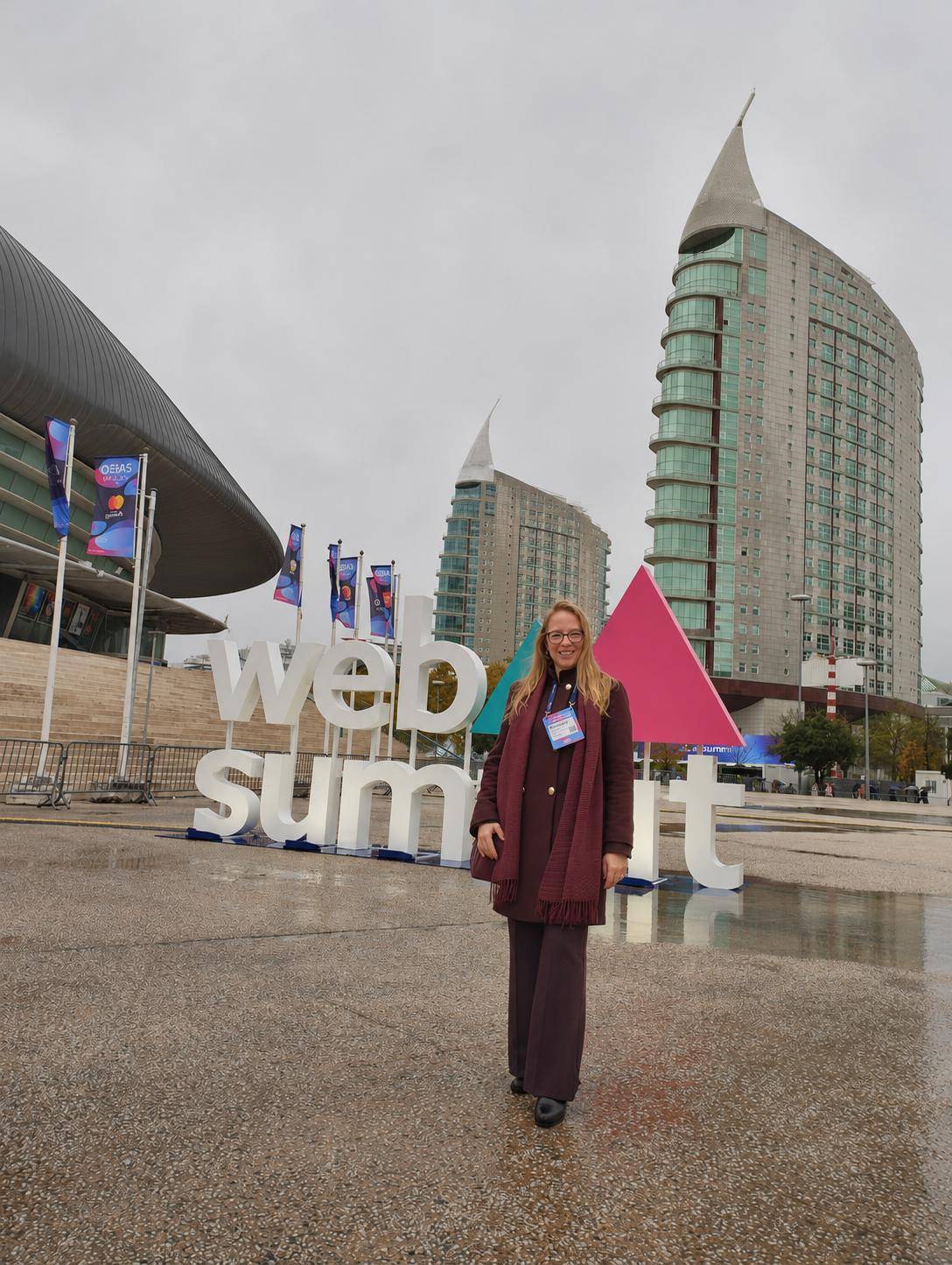
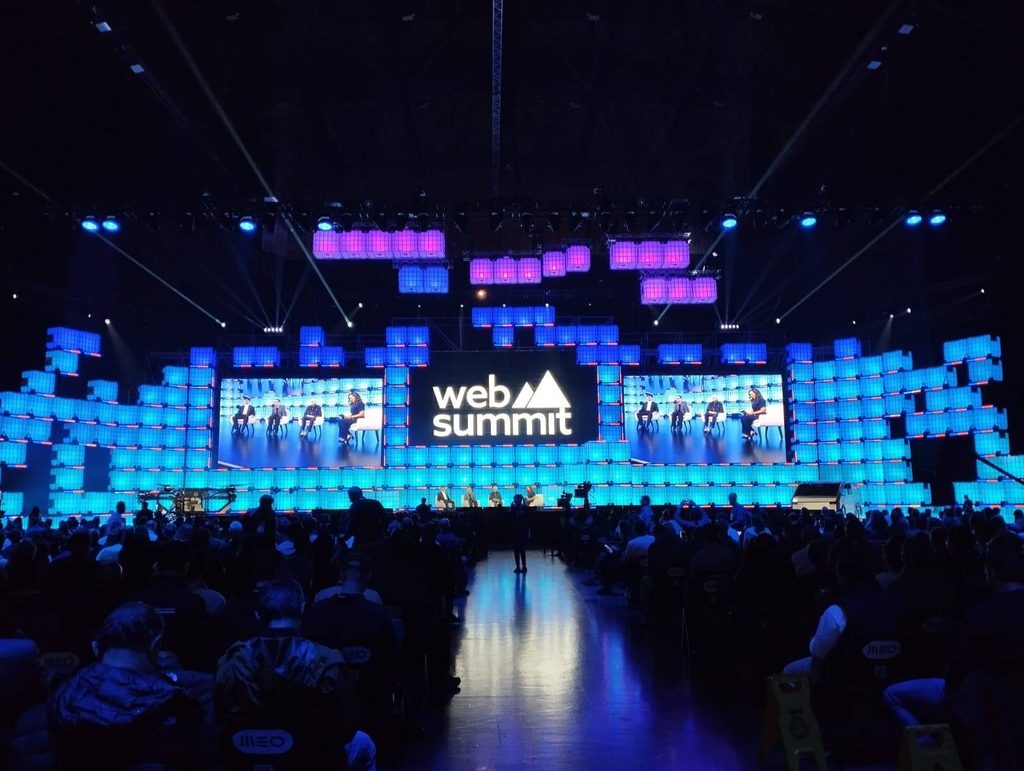
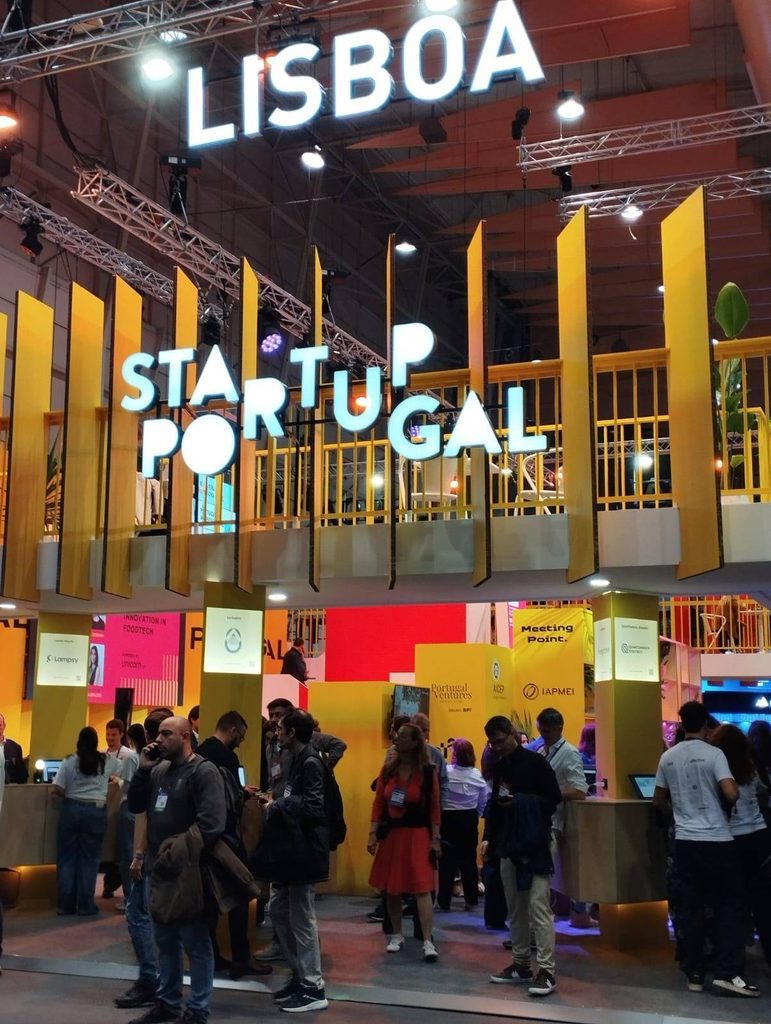
At the invitation of the Slovak Embassy in Portugal, the Computing Centre of the Slovak Academy of Sciences (SAS) participated in Web Summit, held in Lisbon from 9 to 12 November 2026. The Centre was represented by Božidara Pellegrini, who introduced Slovak companies to opportunities for collaboration in developing and testing solutions using artificial intelligence and supercomputers. Discussions with companies took place directly at the conference, during a Slovak community meetup organised by the Slovak Investment and Trade Development Agency (SARIO), and at a subsequent networking reception hosted by the Embassy at the Tivoli Hotel.

Slovakia Had Its Own Exhibition Space for the First Time

At the eleventh edition of Web Summit in Lisbon, Slovakia was represented by its own exhibition space for the first time. Under the auspices of the Slovak Investment and Trade Development Agency (SARIO), a business delegation of 16 companies and startups showcased their solutions. On Tuesday, 10 November, SARIO and the Slovak Embassy also organised a working breakfast for delegation members, featuring an expert presentation on doing business in Portugal.

According to the Embassy, the evening reception brought together more than 100 participants. The event was opened by Rastislav Chovanec, State Secretary at the Ministry of Foreign and European Affairs of the Slovak Republic, who was welcomed by Deputy Head of Mission Branislav Pochaba. For the Computing Centre of SAS, the reception provided an opportunity to continue discussions with members of the business delegation and connect with other Slovak companies.

From the Main Stage to Practical Applications

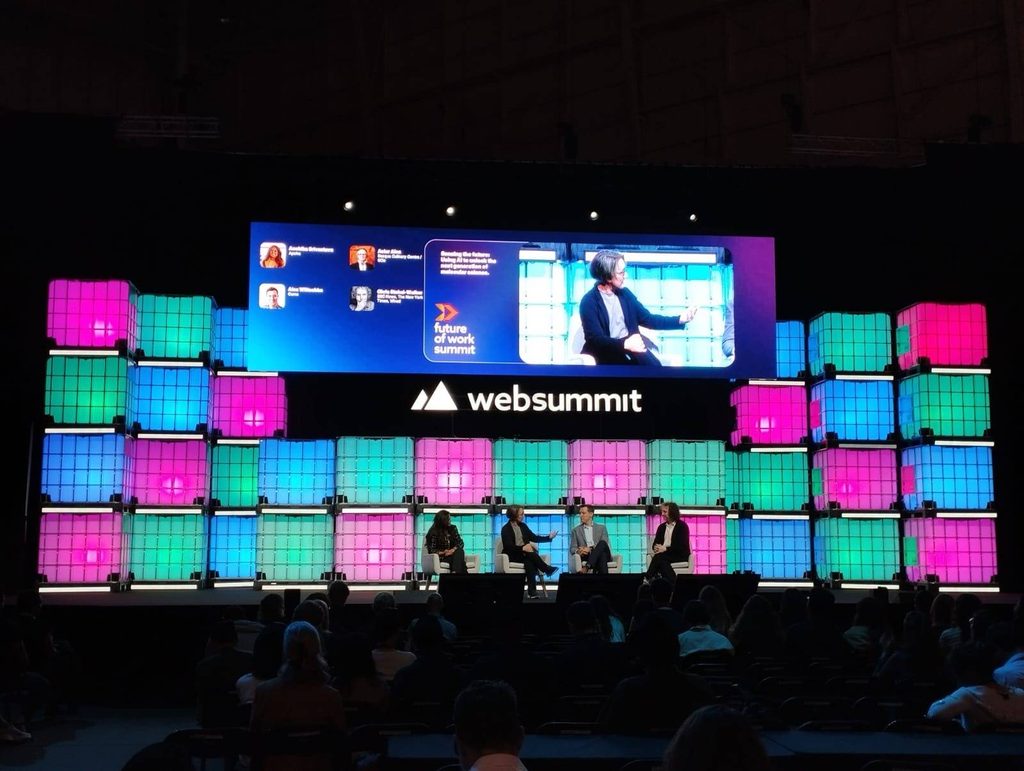
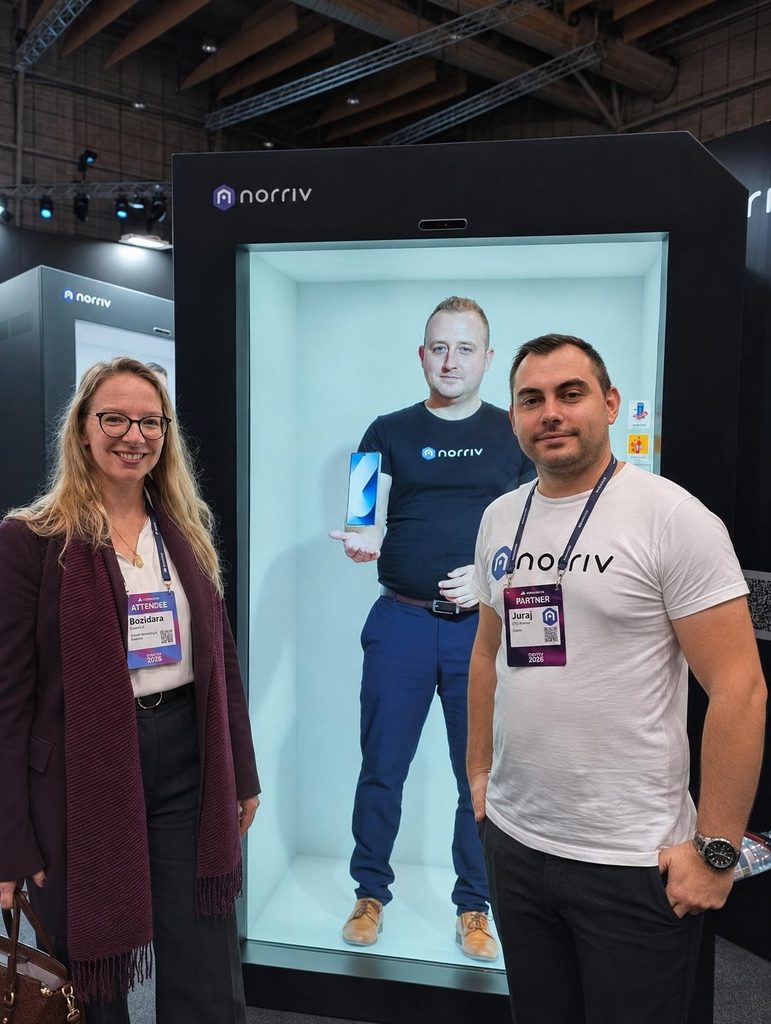
The company norriv made Web Summit history as the first company from Slovakia or the Czech Republic to appear on its main stage. In discussions with the Computing Centre of SAS, the team explained how it plans to use holographic assistants in everyday operations. A pilot project at the University of Žilina aims to explore whether such an assistant could help students with administrative matters outside regular office hours. At Bratislava City Hall, a holographic terminal serves as a point of contact for residents. It is connected to a payment portal through which users can, for example, pay local taxes.

For Elevon.io, the discussion centred on a project involving the Bulgarian Discoverer supercomputer, which the team reports it is already working on. The company develops AI agents for regulated industries, where it is essential to define what permissions an agent receives, when its actions require human approval, and how those actions can be traced and reviewed. The discussion also explored the computing resources the team might need for future projects.

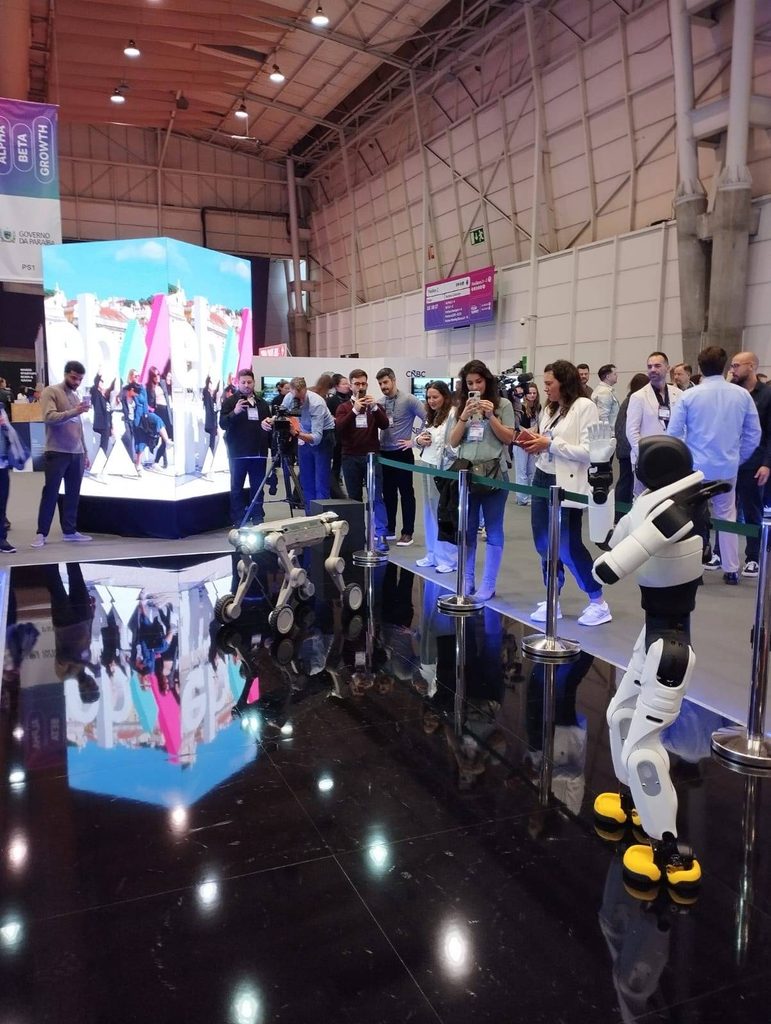
WEZEO presented a four-legged robot designed for autonomous patrols and building monitoring. During a follow-up consultation, the Centre plans to explore whether simulations or computer vision model testing could support its development. Another example of connecting the physical and digital worlds came from CherryPeak. Its Memry project allows recipients to scan a printed postcard and watch a video in augmented reality.

From Lisbon to Technical Consultations

The Computing Centre of SAS plans to follow up on these discussions with individual technical consultations. For each specific project, the Centre will work with the company to identify what it aims to test, what data is available, and what computing resources may be required.

Through the EuroCC 3 project, the Centre helps companies navigate the available options for accessing supercomputing resources. Through AI Antenna Slovakia, it can work with companies to develop specific AI use cases and assess what would be required to test them in practice.

Nová výzva FFplus: Hľadáme projektových partnerov – až 200 000 € na HPC inovácie vo firmách 23 Nov - Representatives of the Slovak Academy of Sciences (SAS) attended the Three Seas Digital Forum on 12 November 2026, marking the opening of the fifth edition of the Poznań Economic Congress in Poland. Dedicated to the digital future of Central and Eastern Europe, the event provided a platform for discussions on regional competitiveness, technological innovation, and opportunities for stronger cross-border cooperation.
Perun Business Day by EuroCC: The PERUN Supercomputer Opens Its Doors to Slovak Businesses 22 Nov - Representatives of the Slovak Academy of Sciences (SAS) attended the Three Seas Digital Forum on 12 November 2026, marking the opening of the fifth edition of the Poznań Economic Congress in Poland. Dedicated to the digital future of Central and Eastern Europe, the event provided a platform for discussions on regional competitiveness, technological innovation, and opportunities for stronger cross-border cooperation.
Slovak Academy of Sciences at the Poznań Economic Congress: New Opportunities for Cooperation in HPC and Artificial Intelligence 18 Nov - Representatives of the Slovak Academy of Sciences (SAS) attended the Three Seas Digital Forum on 12 November 2026, marking the opening of the fifth edition of the Poznań Economic Congress in Poland. Dedicated to the digital future of Central and Eastern Europe, the event provided a platform for discussions on regional competitiveness, technological innovation, and opportunities for stronger cross-border cooperation.
Kategórie
General

Slovakia and Portugal Exchange Experiences in HPC and AI Development at Conference in Braga

Slovakia and Portugal Exchange Experiences in HPC and AI Development at Conference in Braga

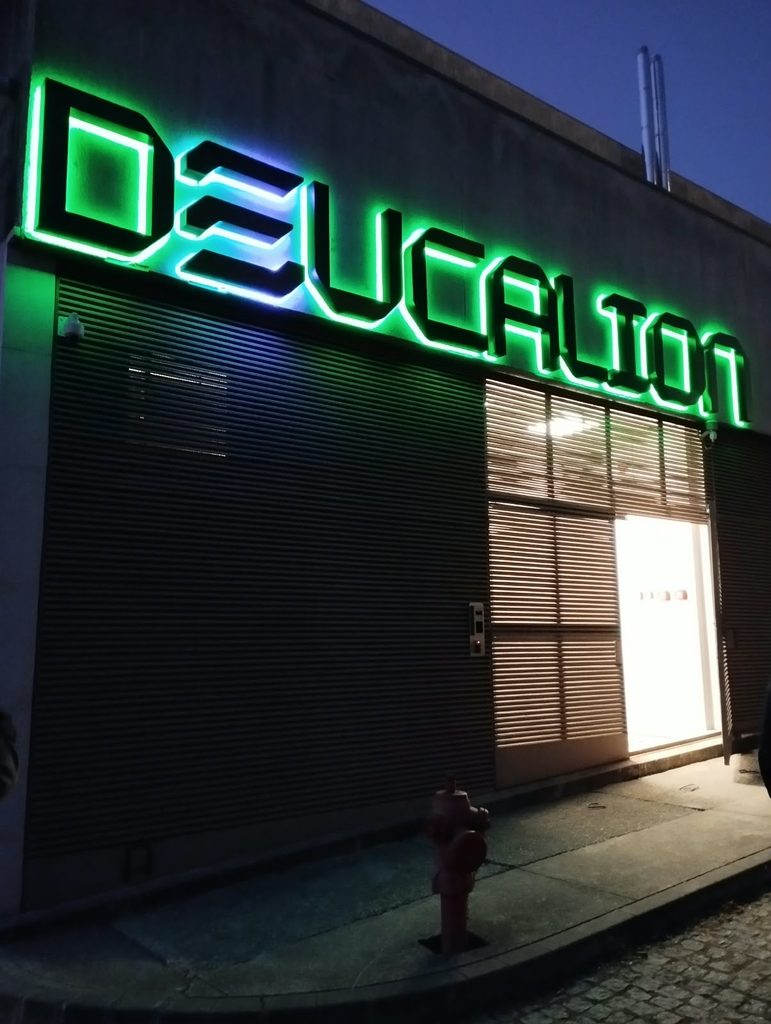
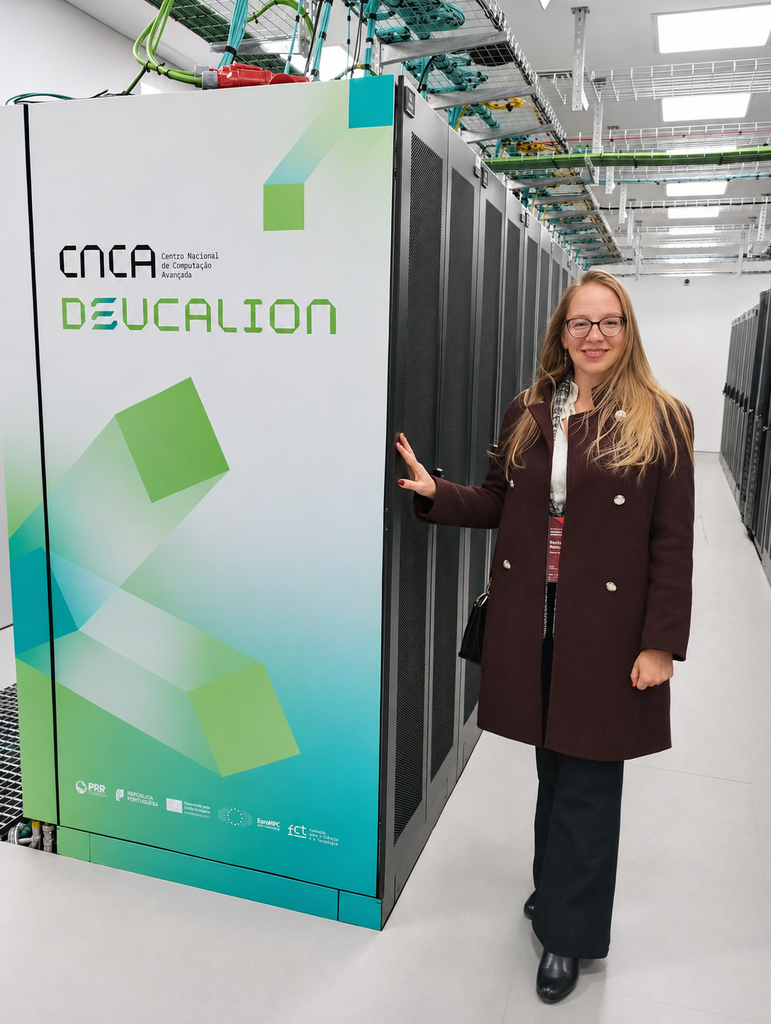
The Deucalion supercomputer, AI Factory services, and practical approaches to supporting businesses were among the key topics of an international conference in Braga, Portugal. The event offered insights into the latest developments in high-performance computing and artificial intelligence, while also providing an opportunity to strengthen cooperation between the Slovak and Portuguese National Competence Centres.

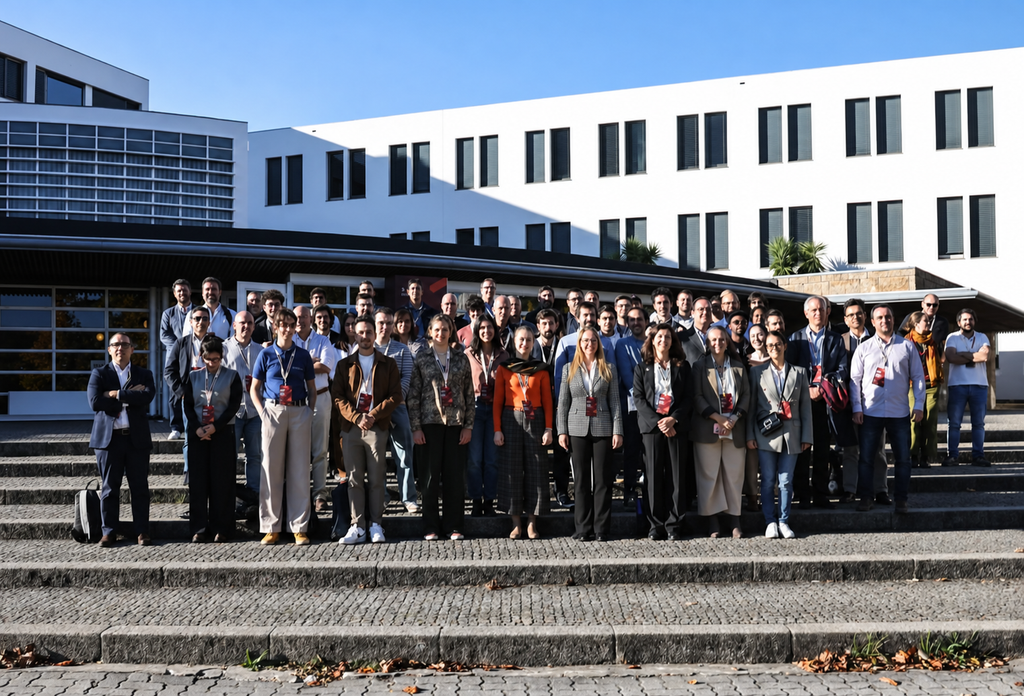
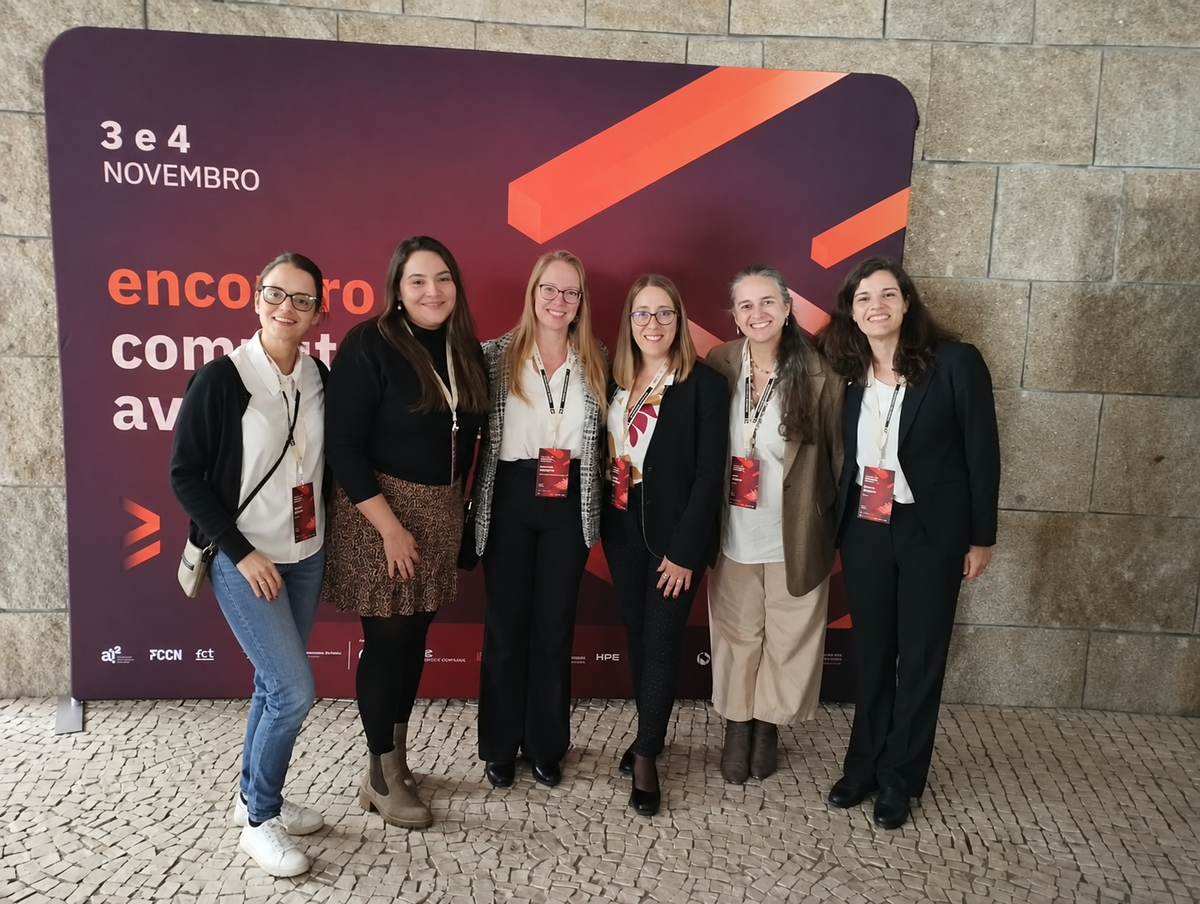
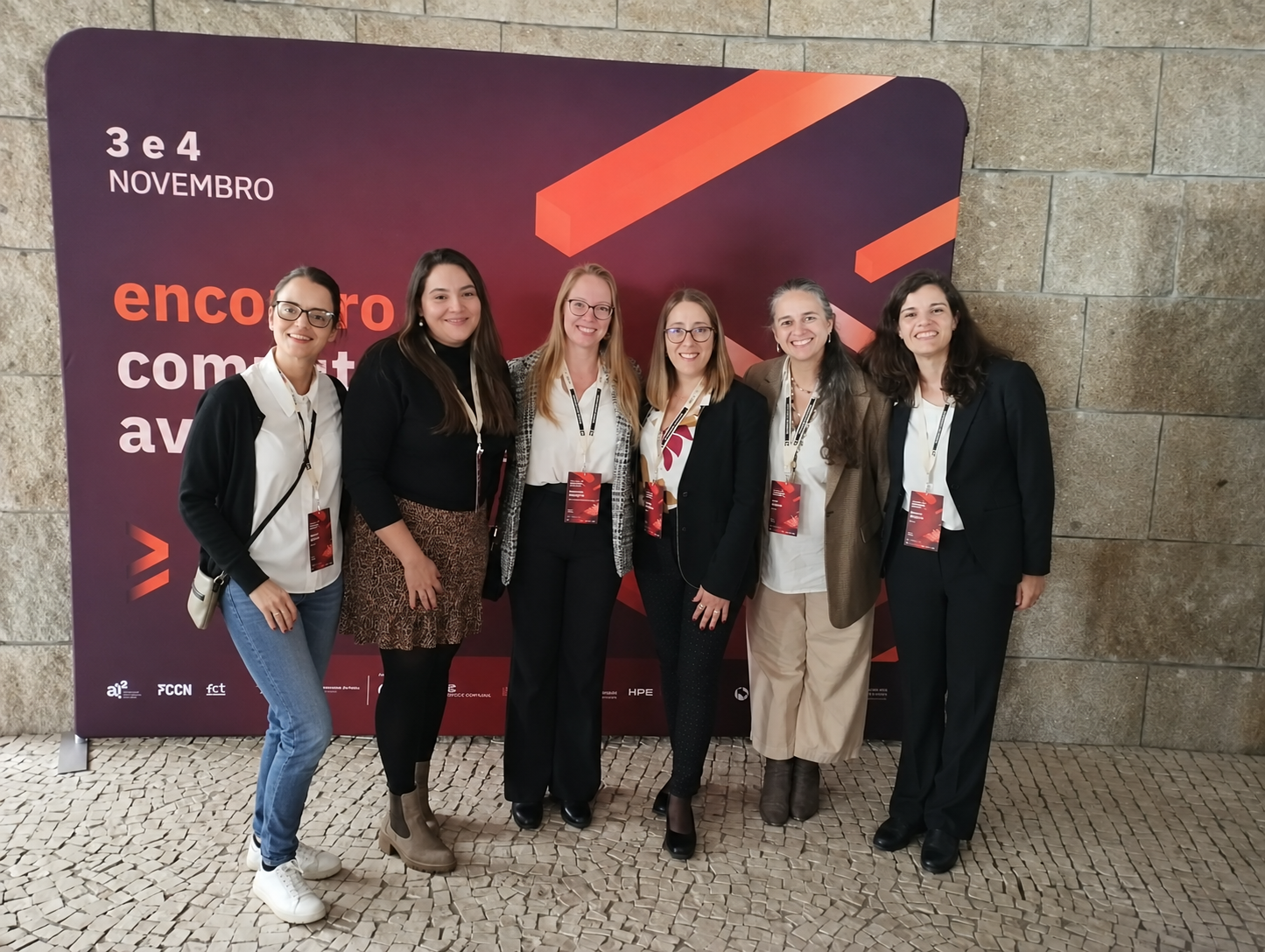
On 3–4 November 2026, the sixth edition of Encontro de Computação Avançada (Advanced Computing Meeting) took place at the University of Minho in Braga, Portugal. The Computing Centre of the Slovak Academy of Sciences (SAS) was represented by Božidara Pellegrini, who is involved in the EuroCC 3 and AI Antenna Slovakia (SK) projects.

From Practical Tools to the Future of Supercomputing

How can supercomputers become more accessible to a wider range of users and help solve real-world challenges? A EuroCC 3 workshop provided practical answers by introducing the EESSI software environment and the Open OnDemand web interface, both designed to simplify access to and use of the Deucalion supercomputer.

Another workshop, organised by BSC AI Factory and the CCG/ZGDV Institute, explored the potential of artificial intelligence, focusing on computer vision and examples of its practical applications.

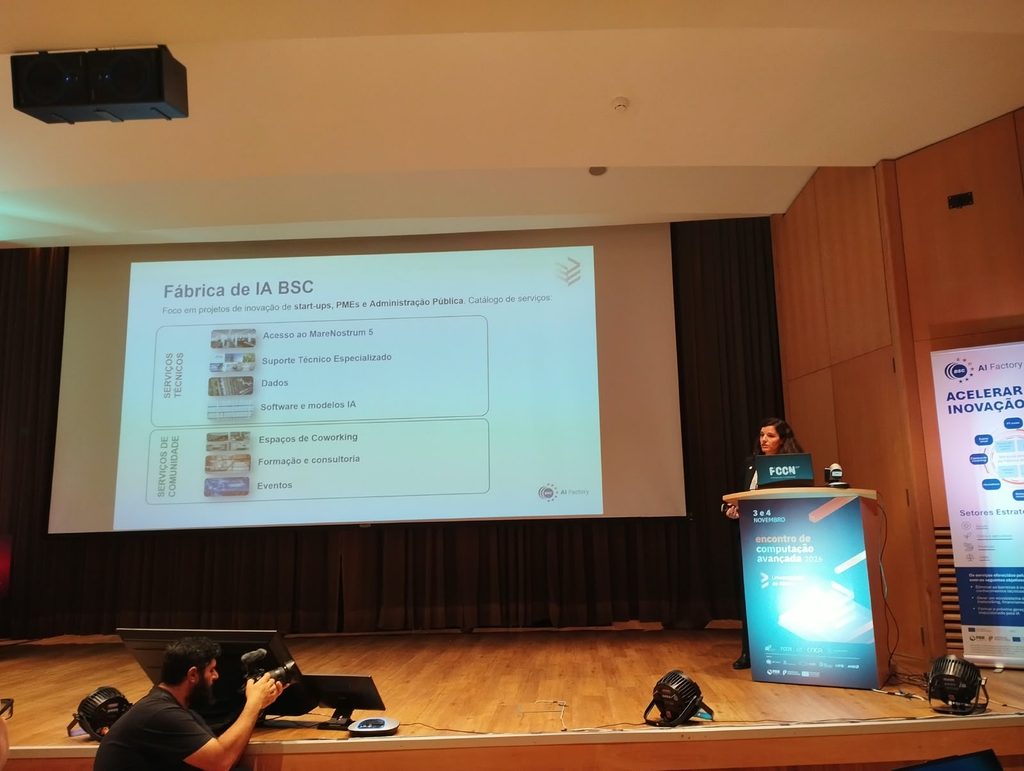
Other presentations highlighted the use of Deucalion, BSC AI Factory services for researchers and businesses, and Portuguese–Spanish cooperation within IBERGRID. A user forum addressed the accessibility and further development of HPC services.

A discussion entitled “What Comes After Deucalion?” explored the requirements for Portugal's future computing infrastructure and the prospects of European AI GigaFactories.

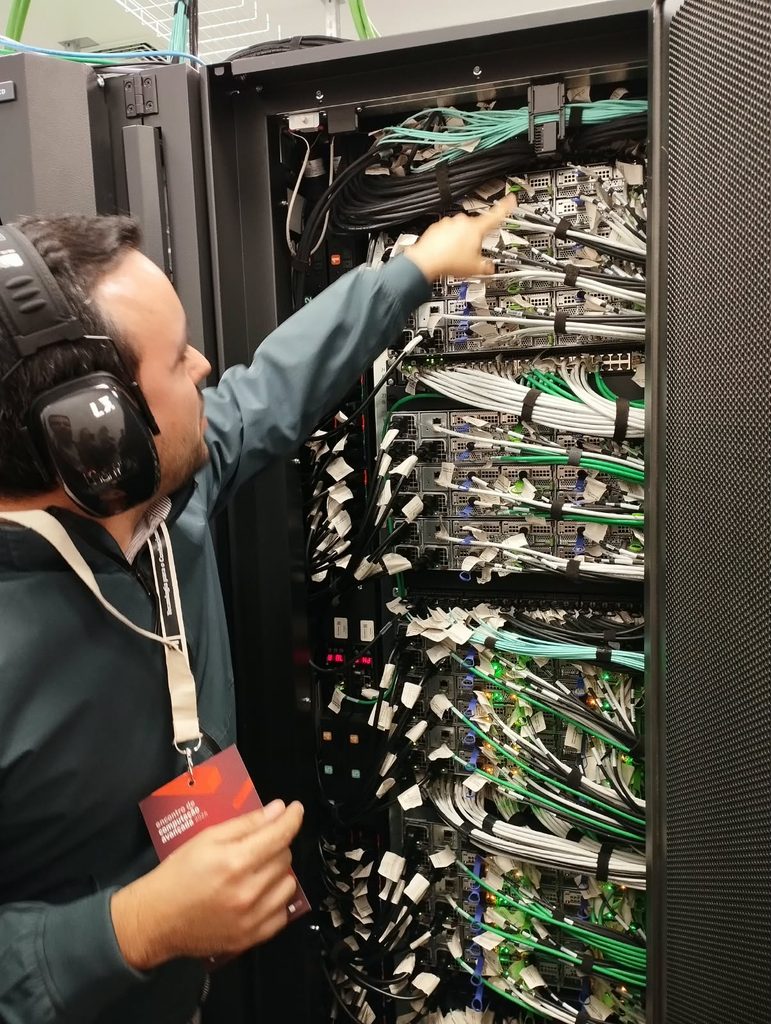
The programme also included a visit to the Deucalion supercomputer, giving participants an opportunity to explore its technological infrastructure.

Sharing Experiences with NCC Portugal

At the invitation of Portuguese colleagues, Božidara Pellegrini also participated in a working meeting with NCC Portugal as part of the EuroCC 3 project.

In her presentation, “AI and HPC for Businesses,” she introduced the activities of the Computing Centre of SAS and explained how support provided through EuroCC 3 and AI Antenna Slovakia is interconnected, including cooperation with the Austrian AI Factory.

The presentation focused primarily on helping businesses move from initial contact to the implementation of concrete projects. It highlighted Slovakia's experience with identifying potential business users, targeted outreach, introductory meetings, and subsequent technical consultations.

The Slovak representative also presented the HPC and AI Ambassadors Programme, the upcoming Perun Business Day event, and planned university presentations.

Shared Challenges and Opportunities for Further Cooperation

Discussions focused on assessing companies' readiness to adopt HPC and AI, identifying their needs, and understanding the areas in which they most frequently require expert support. Establishing effective cooperation and ensuring data protection were also important topics.

The meeting built on contacts established during the EuroCC 2 project and created opportunities for further knowledge exchange between the Slovak and Portuguese National Competence Centres.

The shared objective is to make high-performance computing and artificial intelligence more accessible to businesses, helping them turn technological opportunities into practical solutions.

Conference programme

Nová výzva FFplus: Hľadáme projektových partnerov – až 200 000 € na HPC inovácie vo firmách 23 Nov - Representatives of the Slovak Academy of Sciences (SAS) attended the Three Seas Digital Forum on 12 November 2026, marking the opening of the fifth edition of the Poznań Economic Congress in Poland. Dedicated to the digital future of Central and Eastern Europe, the event provided a platform for discussions on regional competitiveness, technological innovation, and opportunities for stronger cross-border cooperation.
Perun Business Day by EuroCC: The PERUN Supercomputer Opens Its Doors to Slovak Businesses 22 Nov - Representatives of the Slovak Academy of Sciences (SAS) attended the Three Seas Digital Forum on 12 November 2026, marking the opening of the fifth edition of the Poznań Economic Congress in Poland. Dedicated to the digital future of Central and Eastern Europe, the event provided a platform for discussions on regional competitiveness, technological innovation, and opportunities for stronger cross-border cooperation.
Slovak Academy of Sciences at the Poznań Economic Congress: New Opportunities for Cooperation in HPC and Artificial Intelligence 18 Nov - Representatives of the Slovak Academy of Sciences (SAS) attended the Three Seas Digital Forum on 12 November 2026, marking the opening of the fifth edition of the Poznań Economic Congress in Poland. Dedicated to the digital future of Central and Eastern Europe, the event provided a platform for discussions on regional competitiveness, technological innovation, and opportunities for stronger cross-border cooperation.
Kategórie
General

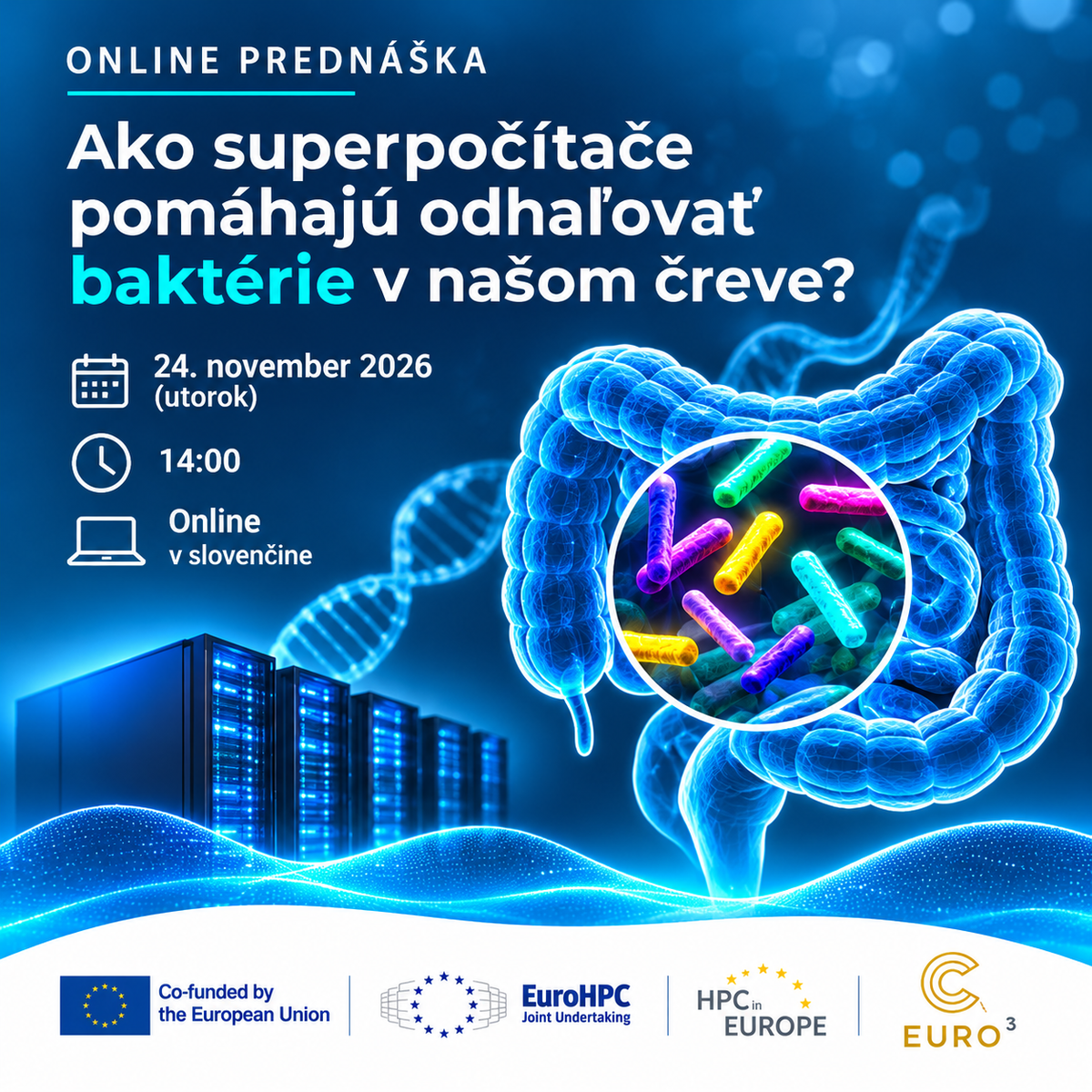
How Do Supercomputers Help Identify Bacteria in Our Gut? Join Our Online Lecture

How Do Supercomputers Help Identify Bacteria in Our Gut? Join Our Online Lecture

How can scientists identify the bacteria living in our gut? And what role do supercomputers play in this process? Join us for a free online lecture exploring the fascinating world of microbiology, DNA analysis, and high-performance computing (HPC).

The human gut is home to an enormous number of microorganisms that play an important role in our health. Identifying and studying them, however, presents a significant computational challenge. Modern DNA sequencing methods generate millions of data points, requiring advanced algorithms and substantial computing power to process.

During the lecture, you will learn how scientists use nanopore DNA sequencing and high-performance computing to identify bacterial species. We will also explore how specialized algorithms compare genetic data against extensive databases and help reveal differences in the abundance of individual bacteria.

When and Where?

  • Date: Tuesday, 24 November 2026
  • Time: 14:00
  • Format: Online
  • Language: Slovak
  • Duration: Approximately 30–45 minutes, followed by a Q&A session
  • Participation: Free of charge, registration required

Speaker

Mgr. Silvia Bendíková, PhD. Institute of Molecular Biomedicine, Faculty of Medicine, Comenius University Bratislava

In her lecture, she will introduce the use of bioinformatics tools for sequencing data analysis, the comparison of different bacterial classification methods, and approaches to investigating differences in the composition of microbial communities.

Who Is the Lecture For?

The lecture is intended for students, researchers, and professionals in biology, medicine, and bioinformatics, as well as members of the general public interested in the application of modern technologies in science and research.

No prior experience with high-performance computing is required.

Registration

Participation is free of charge. Advance registration via the online form is required.

[REGISTER FOR THE LECTURE]

Registered participants will receive a link to join the online lecture at the email address provided during registration.

The event is organised as part of the activities of the National Competence Centre for HPC in Slovakia (EuroCC Slovakia) within the EuroCC 3 project, which aims to support the adoption of high-performance computing and related technologies in science, research, and industry.

Nová výzva FFplus: Hľadáme projektových partnerov – až 200 000 € na HPC inovácie vo firmách 23 Nov - Representatives of the Slovak Academy of Sciences (SAS) attended the Three Seas Digital Forum on 12 November 2026, marking the opening of the fifth edition of the Poznań Economic Congress in Poland. Dedicated to the digital future of Central and Eastern Europe, the event provided a platform for discussions on regional competitiveness, technological innovation, and opportunities for stronger cross-border cooperation.
Perun Business Day by EuroCC: The PERUN Supercomputer Opens Its Doors to Slovak Businesses 22 Nov - Representatives of the Slovak Academy of Sciences (SAS) attended the Three Seas Digital Forum on 12 November 2026, marking the opening of the fifth edition of the Poznań Economic Congress in Poland. Dedicated to the digital future of Central and Eastern Europe, the event provided a platform for discussions on regional competitiveness, technological innovation, and opportunities for stronger cross-border cooperation.
Slovak Academy of Sciences at the Poznań Economic Congress: New Opportunities for Cooperation in HPC and Artificial Intelligence 18 Nov - Representatives of the Slovak Academy of Sciences (SAS) attended the Three Seas Digital Forum on 12 November 2026, marking the opening of the fifth edition of the Poznań Economic Congress in Poland. Dedicated to the digital future of Central and Eastern Europe, the event provided a platform for discussions on regional competitiveness, technological innovation, and opportunities for stronger cross-border cooperation.
Kategórie
General

🎙️ Vedecké počítanie v ére umelej inteligencie: Nová epizóda podcastu Supercomputing in Europe

🎙️ Scientific Computing in the Age of AI: New Episode of Supercomputing in Europe

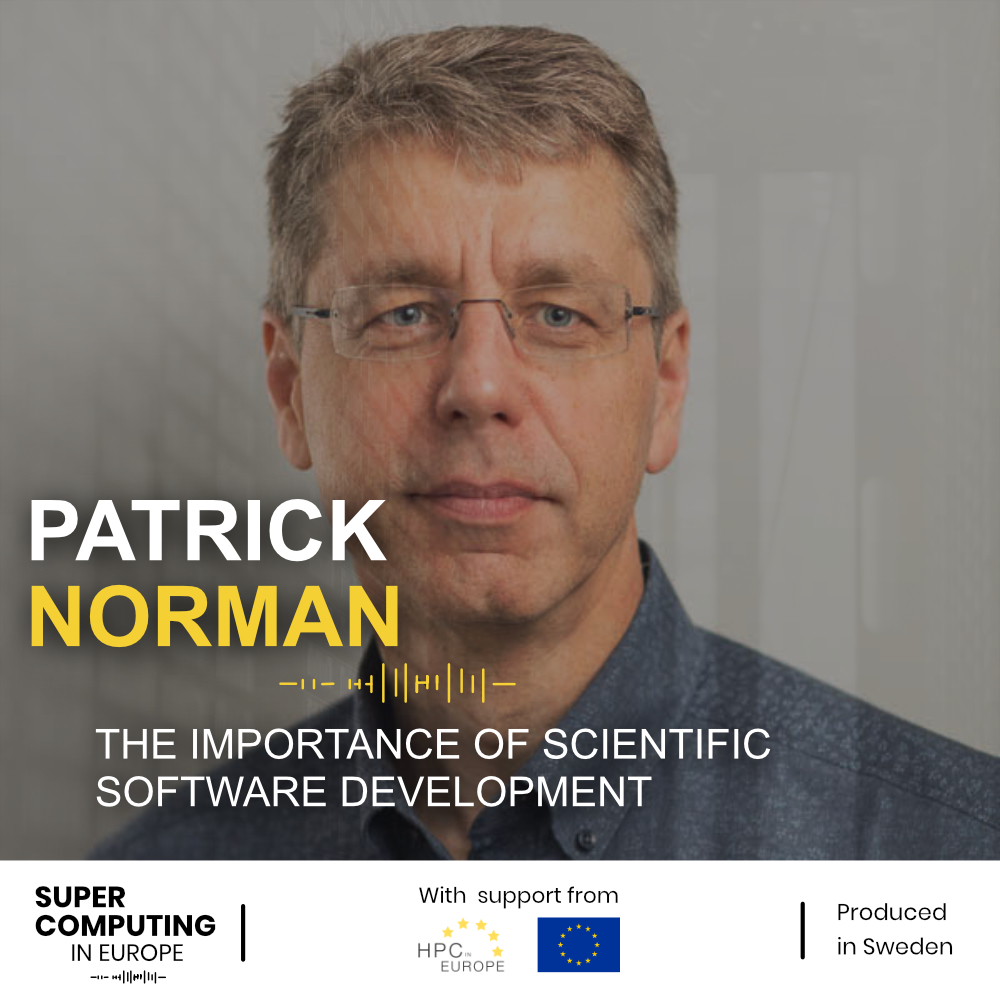
How is the role of supercomputing centres evolving in the era of artificial intelligence? Why does scientific software development remain essential to modern research? These questions are explored in the latest episode of Supercomputing in Europe, featuring Sweden’s KTH Center for Scientific Computing (KCSC) and its transformation in response to emerging technological challenges.

From PDC to KTH Center for Scientific Computing

The latest episode takes listeners to the KTH Royal Institute of Technology in Stockholm, home to the KTH Center for Scientific Computing (KCSC), formerly known as PDC.

The centre’s recent rebranding is one of the key topics discussed with Patrick Norman, Director of KCSC, who shares insights into the transition and the centre’s evolving role at a time when artificial intelligence is increasingly shaping scientific computing.

The conversation highlights the importance of scientific software development as a fundamental component of modern research. Despite the rapid advancement of AI technologies, high-quality computational tools, algorithms, and software solutions remain essential for making effective use of high-performance computing infrastructure.

Connecting HPC, Artificial Intelligence and Scientific Software

The development of artificial intelligence is opening up new opportunities for processing large datasets, modelling complex processes, and performing scientific simulations. At the same time, it introduces new demands on computing infrastructure and the software tools that enable researchers to make effective use of these technologies.

The discussion with Patrick Norman explores how scientific computing centres are adapting to these developments and why expertise in scientific software development remains crucial in the AI era.

This topic is particularly relevant to the European high-performance computing ecosystem, where traditional HPC applications and artificial intelligence technologies are becoming increasingly interconnected.

Listen to the Latest Episode

The conversation is hosted by Apostolos Vasileiadis from ENCCS and Sweden AI Factory, and Jessica Brophy from AI Factory and NAISS, Sweden’s national academic infrastructure for supercomputing.

The latest episode of Supercomputing in Europe is available in English on the following platforms:

  • Spotify: https://lnkd.in/dDY9dahC
  • HPC in Europe Portal: https://lnkd.in/dmDpygFr
  • Apple Podcasts: https://lnkd.in/duCE_ntZ
  • RSS feed: https://lnkd.in/dADpkW_c

The Supercomputing in Europe podcast features conversations with experts from across the European HPC community, highlighting technological innovations, research activities, and emerging challenges in high-performance computing.

Source: HPC in Europe Portal – New Episode: Season 3, Episode 4

Nová výzva FFplus: Hľadáme projektových partnerov – až 200 000 € na HPC inovácie vo firmách 23 Nov - Representatives of the Slovak Academy of Sciences (SAS) attended the Three Seas Digital Forum on 12 November 2026, marking the opening of the fifth edition of the Poznań Economic Congress in Poland. Dedicated to the digital future of Central and Eastern Europe, the event provided a platform for discussions on regional competitiveness, technological innovation, and opportunities for stronger cross-border cooperation.
Perun Business Day by EuroCC: The PERUN Supercomputer Opens Its Doors to Slovak Businesses 22 Nov - Representatives of the Slovak Academy of Sciences (SAS) attended the Three Seas Digital Forum on 12 November 2026, marking the opening of the fifth edition of the Poznań Economic Congress in Poland. Dedicated to the digital future of Central and Eastern Europe, the event provided a platform for discussions on regional competitiveness, technological innovation, and opportunities for stronger cross-border cooperation.
Slovak Academy of Sciences at the Poznań Economic Congress: New Opportunities for Cooperation in HPC and Artificial Intelligence 18 Nov - Representatives of the Slovak Academy of Sciences (SAS) attended the Three Seas Digital Forum on 12 November 2026, marking the opening of the fifth edition of the Poznań Economic Congress in Poland. Dedicated to the digital future of Central and Eastern Europe, the event provided a platform for discussions on regional competitiveness, technological innovation, and opportunities for stronger cross-border cooperation.
Kategórie
General

Perun Business Day by EuroCC: Discover the Potential of Supercomputing for Your Business

Perun Business Day by EuroCC: Discover the Potential of Supercomputing for Your Business

How can a supercomputer benefit your company? Come and see one of Europe's most powerful supercomputers up close and discover how high-performance computing and artificial intelligence can drive innovation, support product development, and optimise business processes.

Výpočtové stredisko Slovenskej akadémie vied v spolupráci s Národným kompetenčným centrom pre vysokovýkonné počítanie (EuroCC Slovakia) pozýva podnikateľov a zástupcov firiem na Perun Business Day by EuroCCin cooperation with Edenred Slovakia. The webinar will take place on 17. novembra 2026 v areáli SAV na Patrónke v Bratislave.

The event offers a unique opportunity to explore the world of supercomputing technologies, see the new PERUN supercomputer up close, and talk to experts about how these technologies can be applied in business.

What can you expect?

Meet Perun – Experience a Supercomputer Up Close

During a guided tour, you will visit the containerised data centre housing the PERUN supercomputer. You will learn how it works, what kinds of tasks it can handle, and why high-performance computing is becoming an increasingly important tool not only in scientific research but also in industry and business.

From Supercomputing to Business Applications

Discover how high-performance computing (HPC) and artificial intelligence can support product development and testing, simulations, process optimisation, and large-scale data analysis. Our experts will explain how these technologies can help address specific challenges faced by your company.

Coffee & Connections

Following the tour, you are invited to an informal networking session over coffee and light refreshments. This will be an opportunity to ask questions, discuss your ideas, and meet representatives of the National Competence Centre for HPC and the Computing Centre of the Slovak Academy of Sciences to explore potential support and collaboration opportunities.

When and Where?

Date: 17. november 2026 (utorok)

Time: Choose from two available sessions:

  • 10:30–11:30
  • 13:30 – 14:30

Venue: Slovak Academy of Sciences, Dúbravská cesta 9, Bratislava, Slovakia

Admission: Free of charge, with prior registration required.

Each session will last approximately 60 minutes and will take place in a small group to ensure plenty of opportunities for questions and personal discussions.

Who Should Attend?

Perun Business Day is designed for entrepreneurs, managers, innovators, and representatives of small, medium-sized, and large companies interested in exploring advanced technologies and their practical business applications.

No technical knowledge or previous experience with supercomputers is required. All you need is an interest in innovation and a willingness to discover new opportunities for your business.

Registration

Participation is free of charge, but places in each session are limited. We therefore recommend registering in advance and selecting your preferred time slot.

REGISTER NOW

Nová výzva FFplus: Hľadáme projektových partnerov – až 200 000 € na HPC inovácie vo firmách 23 Nov - Representatives of the Slovak Academy of Sciences (SAS) attended the Three Seas Digital Forum on 12 November 2026, marking the opening of the fifth edition of the Poznań Economic Congress in Poland. Dedicated to the digital future of Central and Eastern Europe, the event provided a platform for discussions on regional competitiveness, technological innovation, and opportunities for stronger cross-border cooperation.
Perun Business Day by EuroCC: The PERUN Supercomputer Opens Its Doors to Slovak Businesses 22 Nov - Representatives of the Slovak Academy of Sciences (SAS) attended the Three Seas Digital Forum on 12 November 2026, marking the opening of the fifth edition of the Poznań Economic Congress in Poland. Dedicated to the digital future of Central and Eastern Europe, the event provided a platform for discussions on regional competitiveness, technological innovation, and opportunities for stronger cross-border cooperation.
Slovak Academy of Sciences at the Poznań Economic Congress: New Opportunities for Cooperation in HPC and Artificial Intelligence 18 Nov - Representatives of the Slovak Academy of Sciences (SAS) attended the Three Seas Digital Forum on 12 November 2026, marking the opening of the fifth edition of the Poznań Economic Congress in Poland. Dedicated to the digital future of Central and Eastern Europe, the event provided a platform for discussions on regional competitiveness, technological innovation, and opportunities for stronger cross-border cooperation.
Kategórie
General

HPC Service Updates: Easier Access to Perun and AMS Software Now Available on Devana

HPC Service Updates: Easier Access to Perun and AMS Software Now Available on Devana

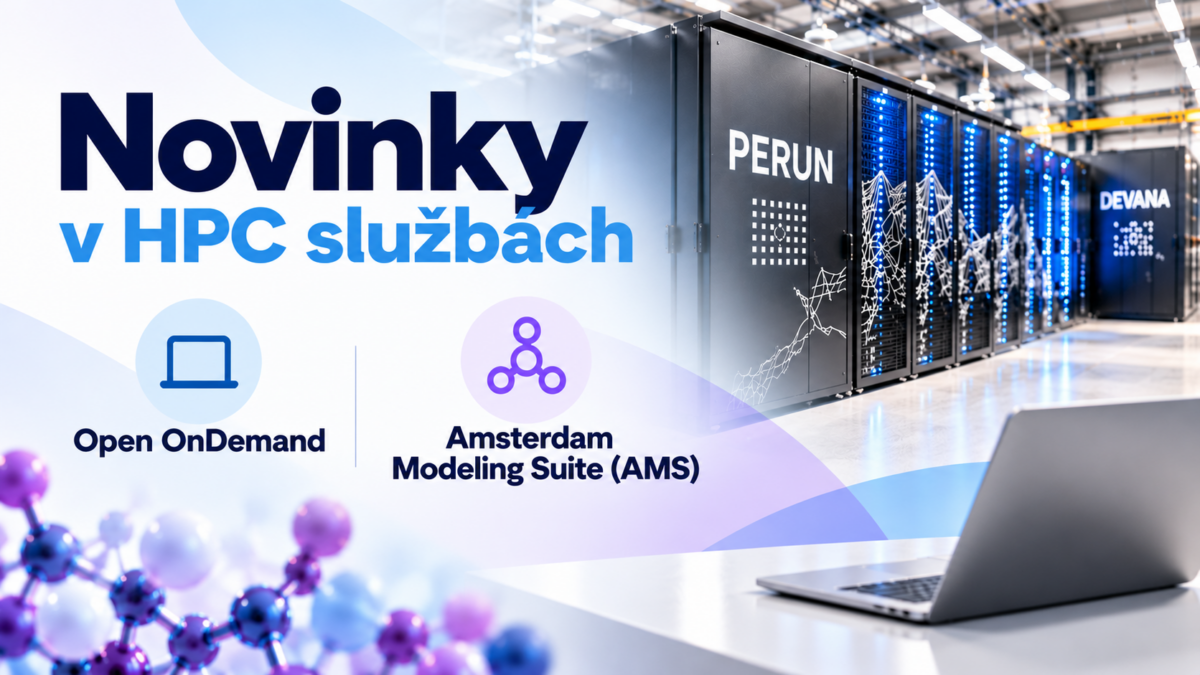
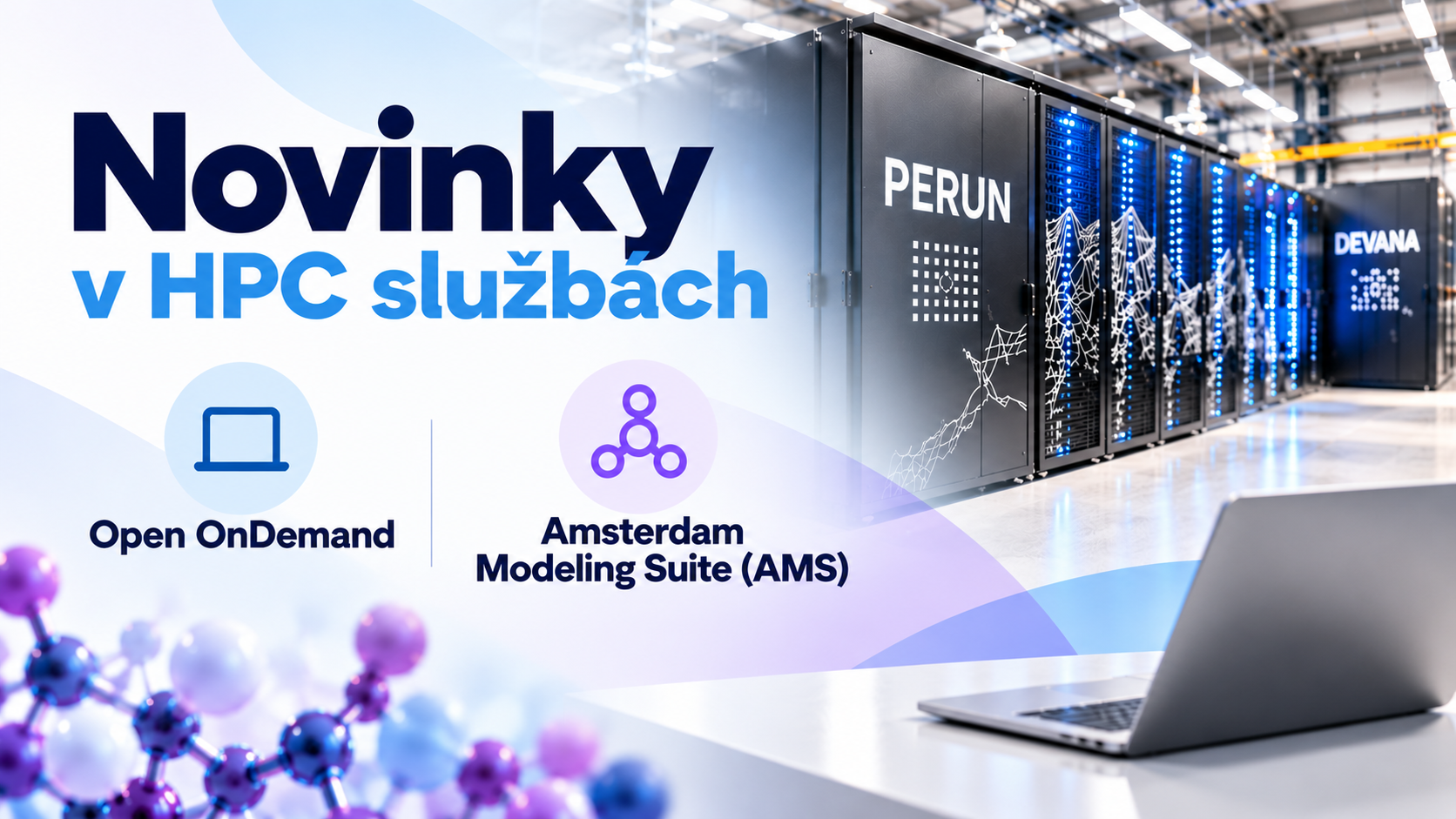
We have two exciting updates for our HPC users: Open OnDemand is now available on both Devana and Perun, making access to our supercomputers easier than ever. In addition, the Amsterdam Modeling Suite (AMS) has been added to the software portfolio, opening up new possibilities for computational chemistry and materials science research.

Open OnDemand: Access Both Supercomputers with Just a Few Clicks

Open OnDemand (OOD), our user-friendly, web-based interface for accessing HPC resources, is now available on Perun as well as Devana.

Open OnDemand makes working with HPC systems much more accessible, especially for users who are less familiar with Linux commands or traditional job submission workflows.

Through a simple browser interface, you can:

  • Access both Devana and Perun without the need for an SSH client.
  • Submit computational jobs with just a few clicks, using convenient web-based forms.
  • Monitor and manage your running and queued jobs.
  • Browse, upload, download, and manage files directly through your browser.
  • Access interactive applications as they become available.

We are continuously working on expanding the range of applications and features available through Open OnDemand to make your HPC experience even smoother.

We encourage all users to give it a try! Whether you are an experienced HPC user or just getting started, we would love to hear your feedback. If you have suggestions for additional applications, features, or improvements, please let us know. Your input will help us tailor the service to your needs.

For technical information and instructions on running AMS on Devana, visit our AMS user documentation.

Amsterdam Modeling Suite (AMS) Now Available on Devana

We are also pleased to announce that the Amsterdam Modeling Suite (AMS) is now available on the Devana supercomputer.

AMS is a powerful computational chemistry and materials modeling software suite that provides a broad range of simulation methods and tools for studying molecules, materials, and their properties.

Its applications span several research areas, including:

  • Computational chemistry: molecular structures, reaction mechanisms, chemical bonding, and reaction pathways.
  • Materials science: electronic, structural, and mechanical properties of solids, surfaces, and nanomaterials.
  • Catalysis and surface chemistry: catalytic reactions, adsorption processes, and interactions at surfaces and interfaces.
  • Molecular dynamics: simulations of atomic and molecular motion, including reactive processes.
  • Spectroscopy: prediction and interpretation of molecular and material properties relevant to experimental spectroscopy.
  • Energy-related research: modeling of materials and processes relevant to batteries, solar cells, and other energy technologies.

AMS integrates a variety of computational methods, including Density Functional Theory (DFT), semi-empirical quantum chemistry, tight-binding methods, molecular mechanics, and molecular dynamics. Its different modules allow researchers to select methods appropriate to their systems, from detailed electronic structure calculations to simulations of larger and more complex materials.

Interested in Exploring AMS? Let Us Know!

To help researchers make the most of the software, we will arrange a dedicated workshop in cooperation with the AMS developers in the future.

This event will introduce different AMS modules, demonstrate practical workflows, and provide hands-on insights into selecting and applying suitable computational methods for specific research problems.

If you are interested in attending, or have particular topics or modules you would like to explore, please get in touch with our HPC team. Your feedback will help us shape the workshop around users’ interests and research needs.

For technical information and instructions on running AMS on Devana, visit our AMS user documentation.

Nová výzva FFplus: Hľadáme projektových partnerov – až 200 000 € na HPC inovácie vo firmách 23 Nov - Representatives of the Slovak Academy of Sciences (SAS) attended the Three Seas Digital Forum on 12 November 2026, marking the opening of the fifth edition of the Poznań Economic Congress in Poland. Dedicated to the digital future of Central and Eastern Europe, the event provided a platform for discussions on regional competitiveness, technological innovation, and opportunities for stronger cross-border cooperation.
Perun Business Day by EuroCC: The PERUN Supercomputer Opens Its Doors to Slovak Businesses 22 Nov - Representatives of the Slovak Academy of Sciences (SAS) attended the Three Seas Digital Forum on 12 November 2026, marking the opening of the fifth edition of the Poznań Economic Congress in Poland. Dedicated to the digital future of Central and Eastern Europe, the event provided a platform for discussions on regional competitiveness, technological innovation, and opportunities for stronger cross-border cooperation.
Slovak Academy of Sciences at the Poznań Economic Congress: New Opportunities for Cooperation in HPC and Artificial Intelligence 18 Nov - Representatives of the Slovak Academy of Sciences (SAS) attended the Three Seas Digital Forum on 12 November 2026, marking the opening of the fifth edition of the Poznań Economic Congress in Poland. Dedicated to the digital future of Central and Eastern Europe, the event provided a platform for discussions on regional competitiveness, technological innovation, and opportunities for stronger cross-border cooperation.
Kategórie
General

Better Batteries Through Computational Simulations: HPC Supports Advanced Materials Research

Better Batteries Through Computational Simulations: HPC Supports Advanced Materials Research

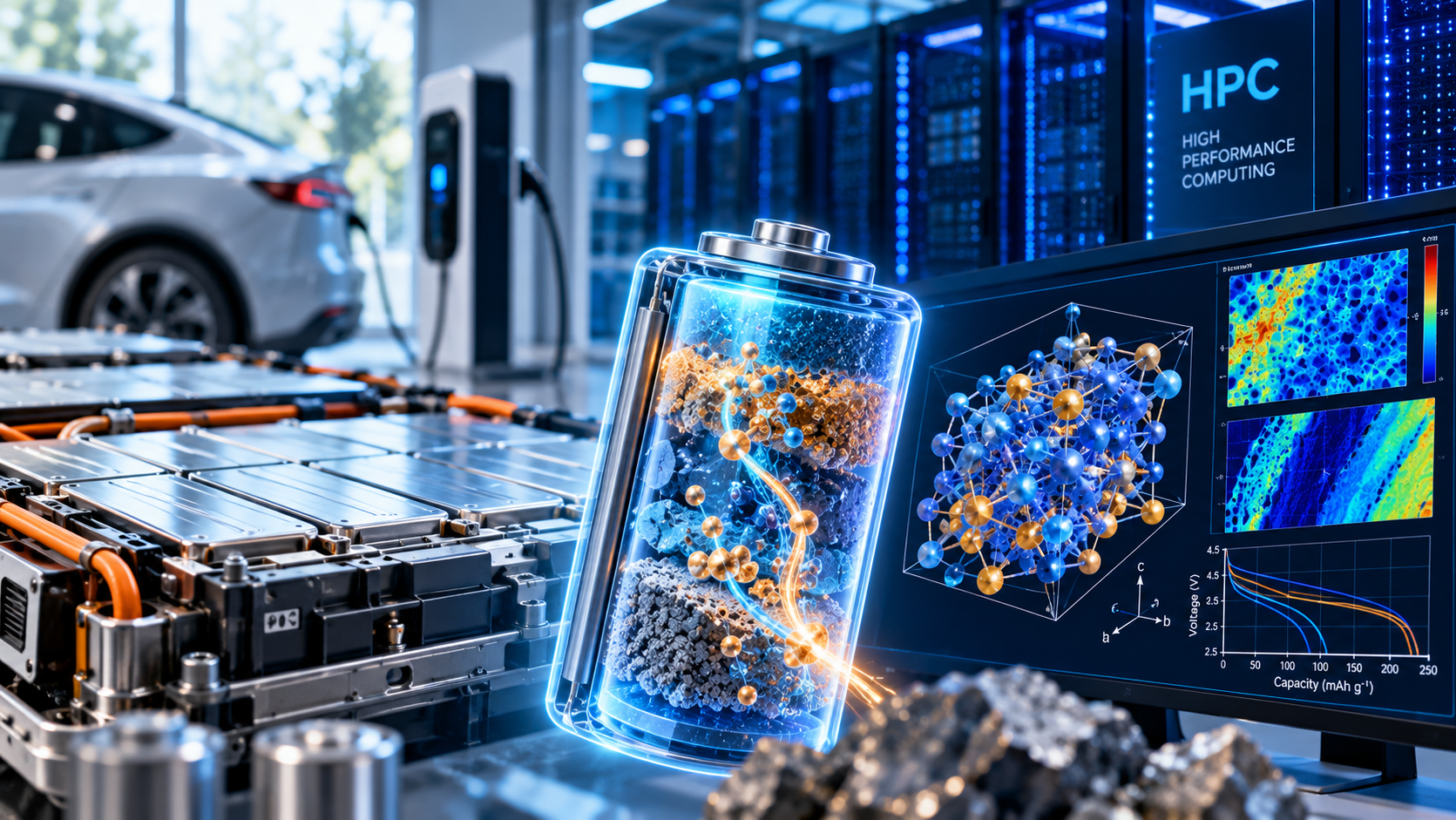
Developing more powerful, safer and longer-lasting batteries is one of today's major technological challenges. Researchers at Lawrence Livermore National Laboratory in the United States demonstrate how advanced computational modelling can improve our understanding of battery materials and help accelerate their development.

Batteries are essential components of modern technologies. They power mobile devices and electric vehicles and play an increasingly important role in storing energy generated from renewable sources. However, their performance, lifespan and reliability depend on numerous complex physical and chemical processes taking place within their materials. Traditional battery development therefore requires extensive experimentation, which can be both time-consuming and expensive.

Simulating Processes Inside Batteries

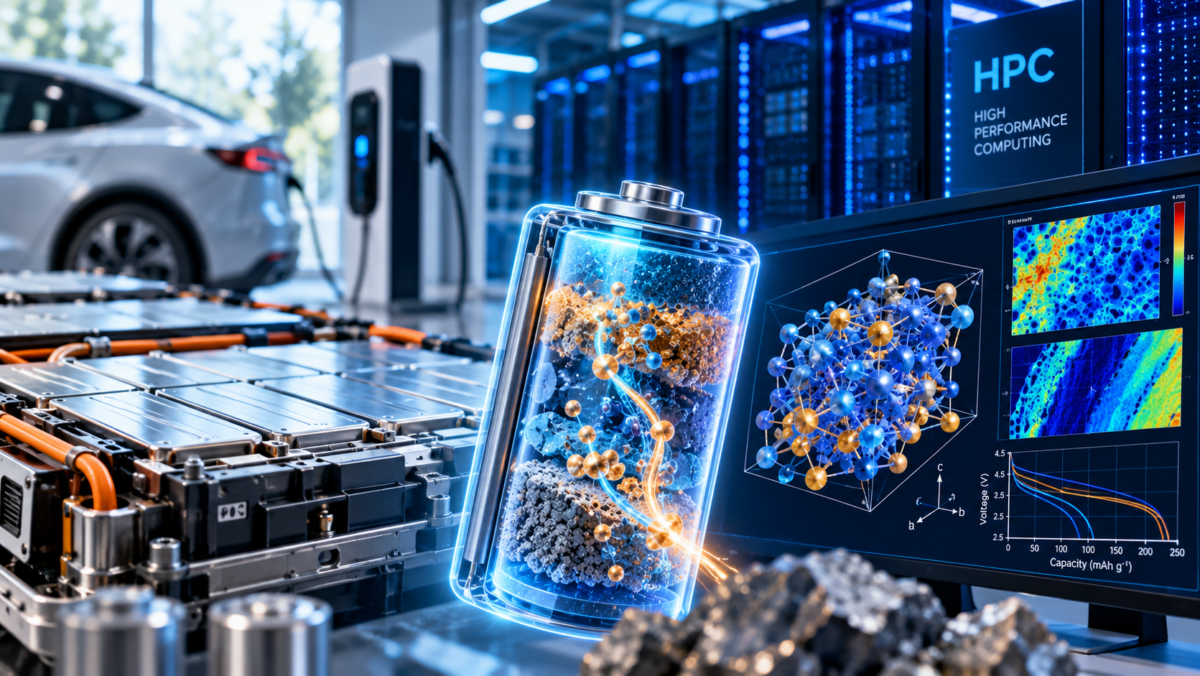
Scientists at Lawrence Livermore National Laboratory (LLNL) are investigating advanced modelling approaches for materials used in rechargeable batteries, with particular attention to single-crystal materials. These materials are of interest because their crystal structure influences their mechanical and electrochemical properties. Computational simulations help researchers investigate the relationships between material structure, behaviour during charging and discharging, and overall battery performance. This makes it possible to better understand the mechanisms contributing to material degradation and limiting battery lifespan.

Computational modelling does not replace laboratory experiments, but it can significantly complement them. It enables researchers to explore different material properties and operating conditions before conducting expensive physical tests, allowing experimental work to focus on more promising approaches. Advanced simulations also help connect knowledge across different scales, from processes within material structures to the behaviour of complete battery systems.

Computing Technologies Supporting Energy Innovation

These approaches highlight the importance of high-performance computing technologies for materials science and industrial innovation. The ability to simulate complex physical and chemical processes can accelerate the development of materials tailored to specific requirements. In the longer term, such research could contribute to improved battery technologies for electric mobility, portable electronics and large-scale energy storage.

Source: HPCwire / Lawrence Livermore National Laboratory, 23 February 2026

https://www.hpcwire.com/off-the-wire/llnl-advanced-simulation-and-modeling-pave-a-path-forward-for-single-crystal-battery-materials

Nová výzva FFplus: Hľadáme projektových partnerov – až 200 000 € na HPC inovácie vo firmách 23 Nov - Representatives of the Slovak Academy of Sciences (SAS) attended the Three Seas Digital Forum on 12 November 2026, marking the opening of the fifth edition of the Poznań Economic Congress in Poland. Dedicated to the digital future of Central and Eastern Europe, the event provided a platform for discussions on regional competitiveness, technological innovation, and opportunities for stronger cross-border cooperation.
Perun Business Day by EuroCC: The PERUN Supercomputer Opens Its Doors to Slovak Businesses 22 Nov - Representatives of the Slovak Academy of Sciences (SAS) attended the Three Seas Digital Forum on 12 November 2026, marking the opening of the fifth edition of the Poznań Economic Congress in Poland. Dedicated to the digital future of Central and Eastern Europe, the event provided a platform for discussions on regional competitiveness, technological innovation, and opportunities for stronger cross-border cooperation.
Slovak Academy of Sciences at the Poznań Economic Congress: New Opportunities for Cooperation in HPC and Artificial Intelligence 18 Nov - Representatives of the Slovak Academy of Sciences (SAS) attended the Three Seas Digital Forum on 12 November 2026, marking the opening of the fifth edition of the Poznań Economic Congress in Poland. Dedicated to the digital future of Central and Eastern Europe, the event provided a platform for discussions on regional competitiveness, technological innovation, and opportunities for stronger cross-border cooperation.